The Hidden Value of Holder Shots
By Denis Richard, Coin Photography Studio
September 27, 2025
5-minute read
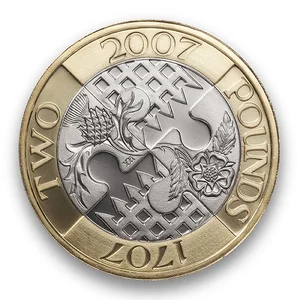
When collectors browse coins online, one question always lingers: Can the photograph be trusted? Accepting the accuracy of a coin image on a blank background is an act of faith. Without known reference points to anchor colour or brightness, it’s impossible to know whether the coin’s appearance is genuine or shaped by the photographic process. Is the coin naturally vibrant, or has lighting and editing enhanced its look? Is it subdued in hand, or truly as lustrous as the photo suggests? For collectors, the coin image can be the difference between buying with confidence, hesitation, or not at all.
This challenge is at the heart of coin photography, and for the collector assessing certified coin images, it’s where the hidden value of holder shots is found.
Photographing Certified Coins
As a professional coin photographer, I’ve had thousands of certified coins pass through my studio. PCGS, NGC, ICCS and others —vintage rarities and modern issues alike. For dealers, I typically photograph coins in the holders because that’s how buyers expect to see them. Where directed, I will also provide coin close-ups. Some coins already have TrueView images attached to their certification, which can be downloaded and added to a listing. More on that later.
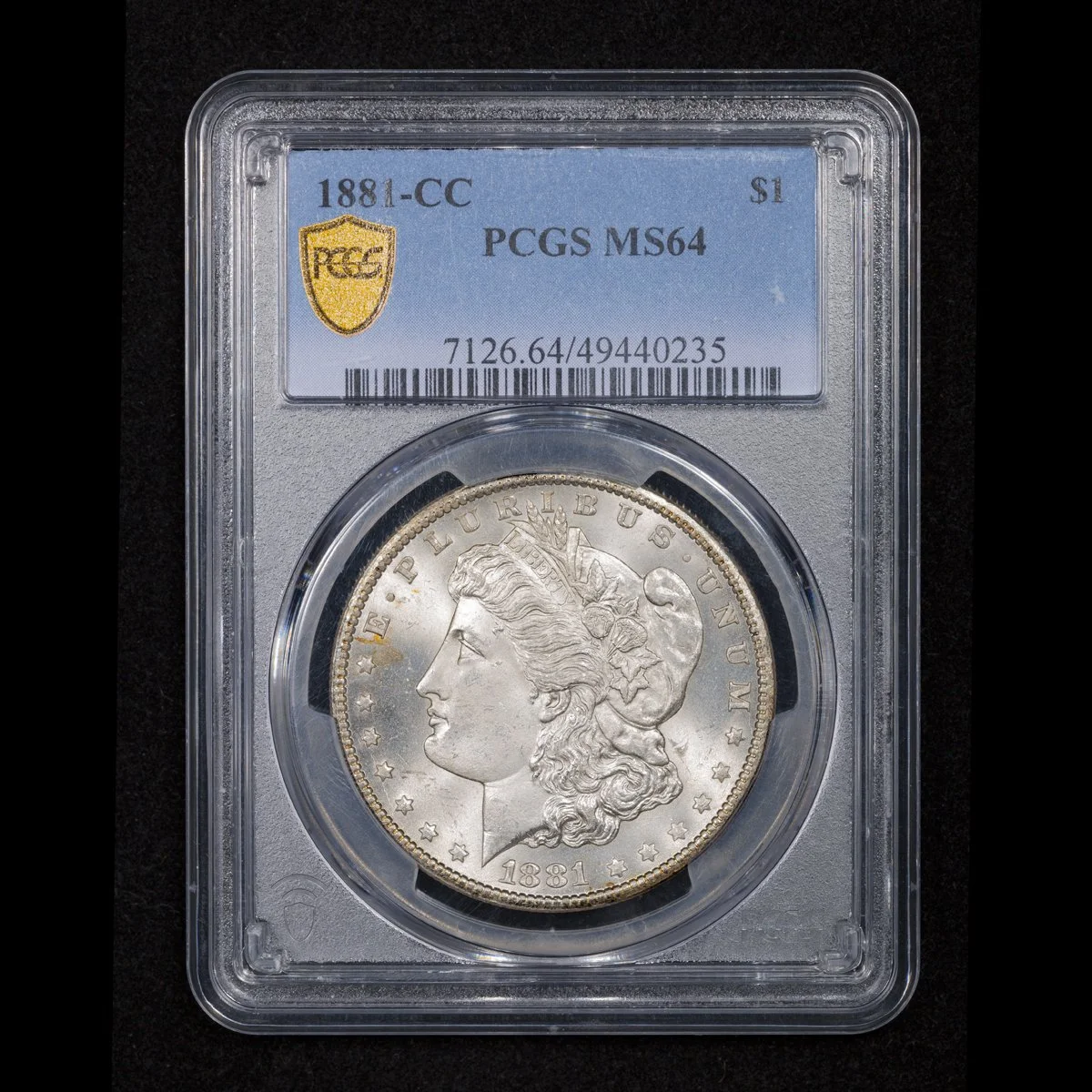
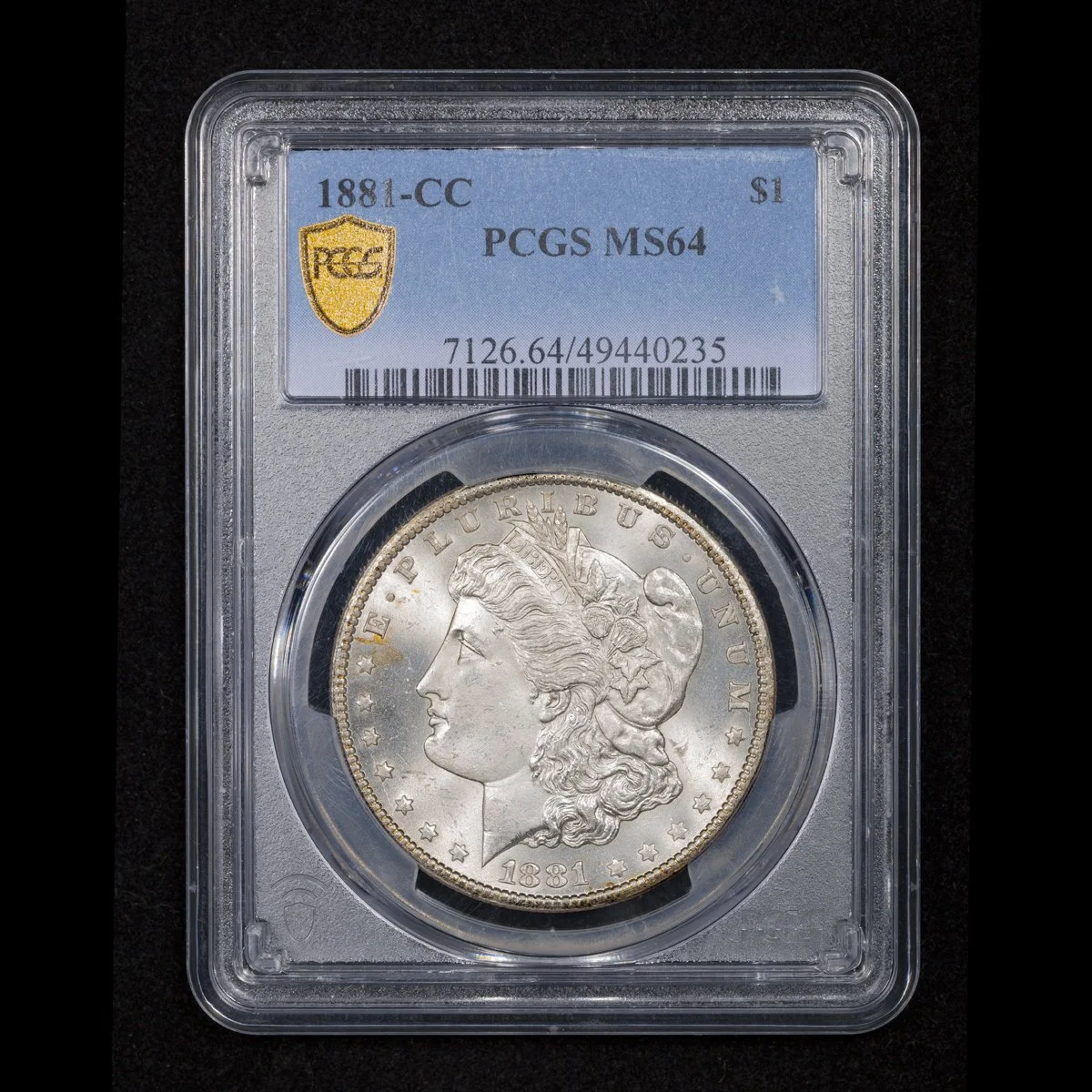
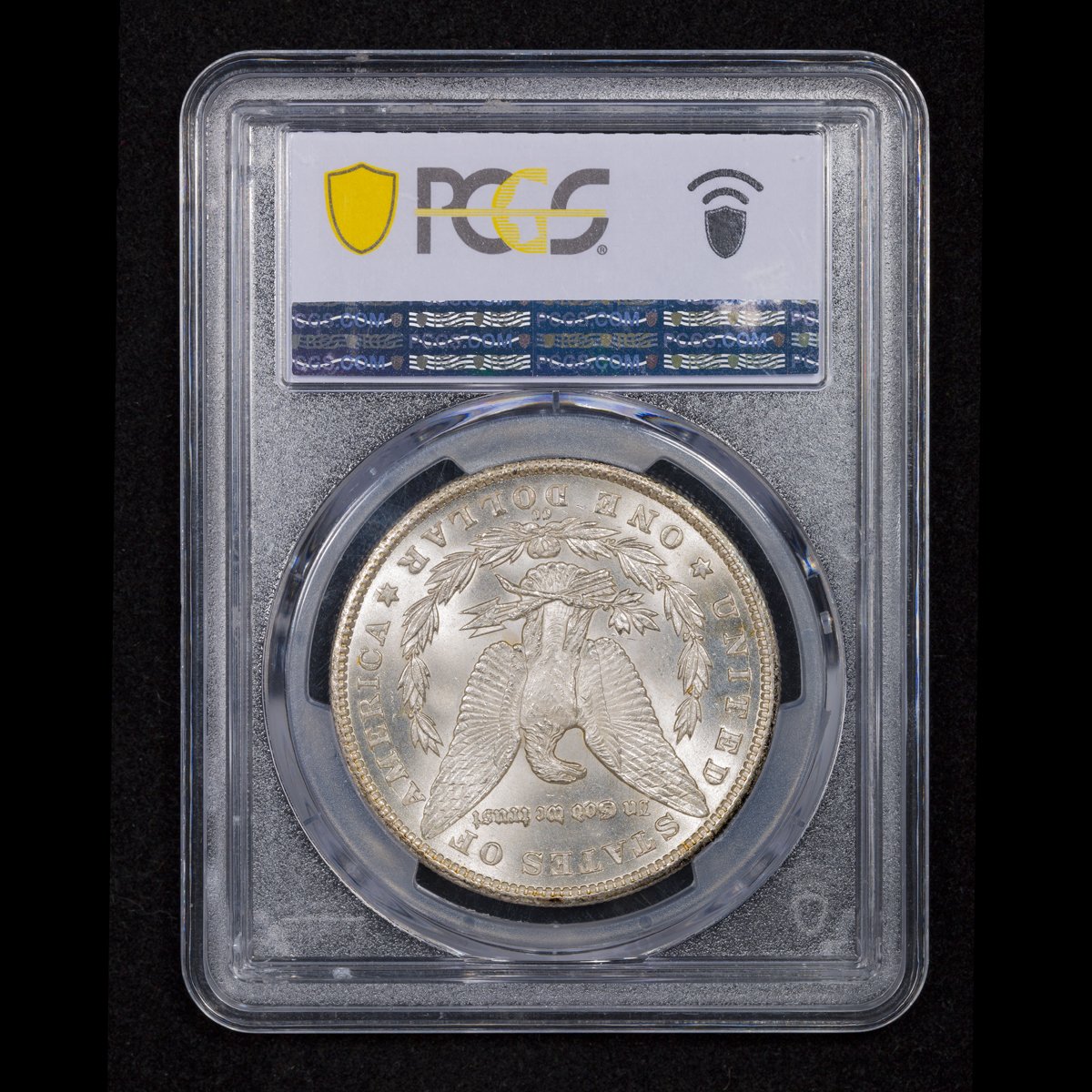
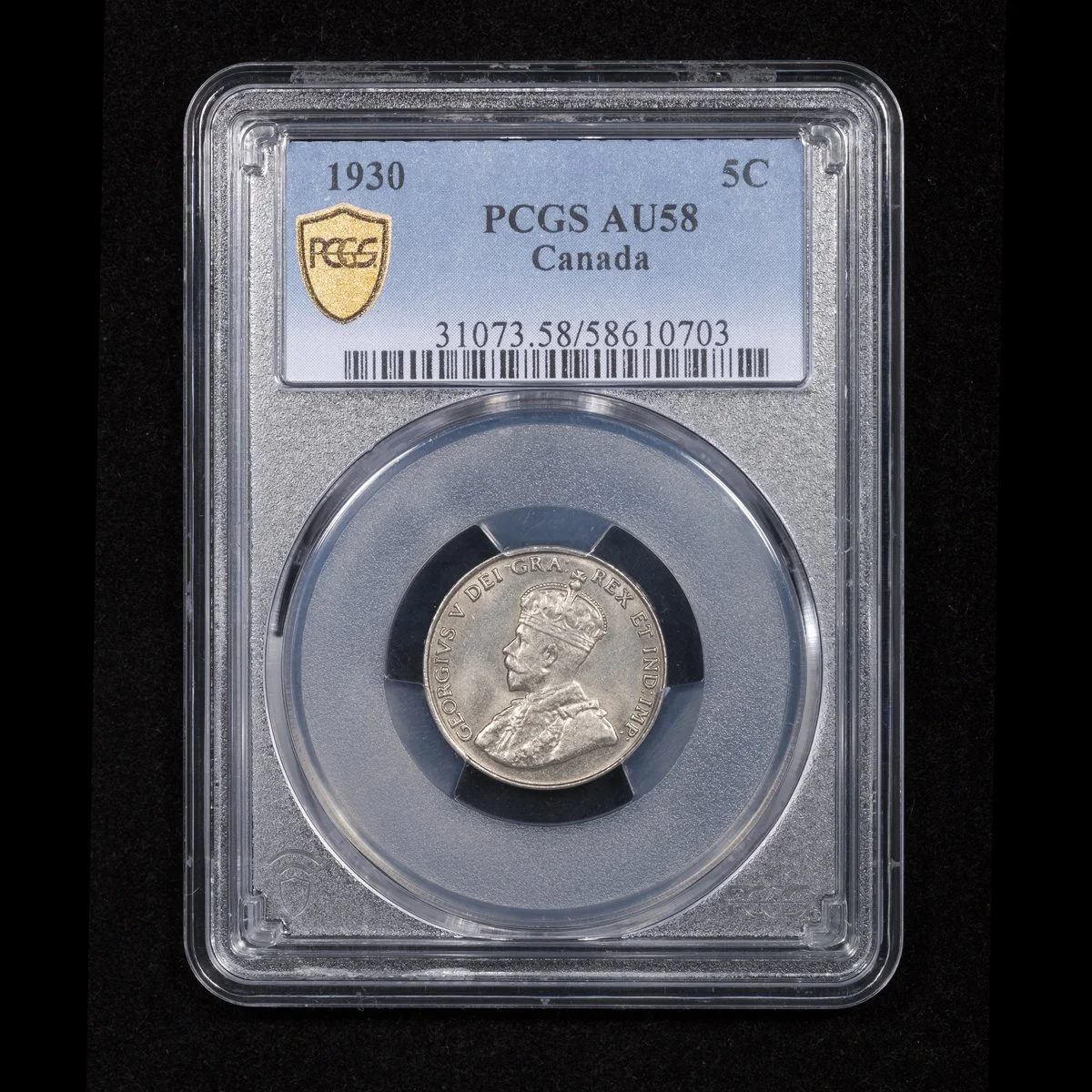
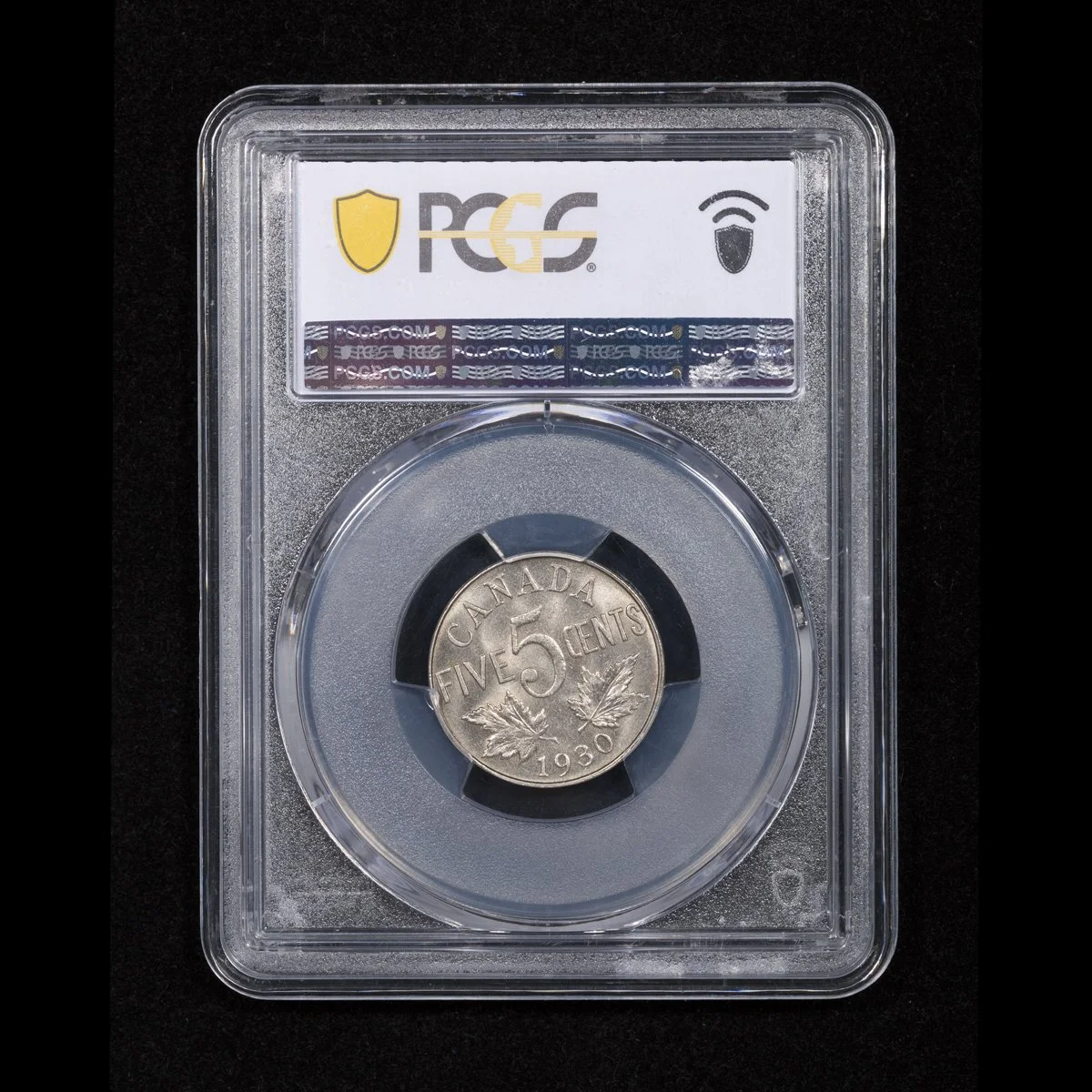
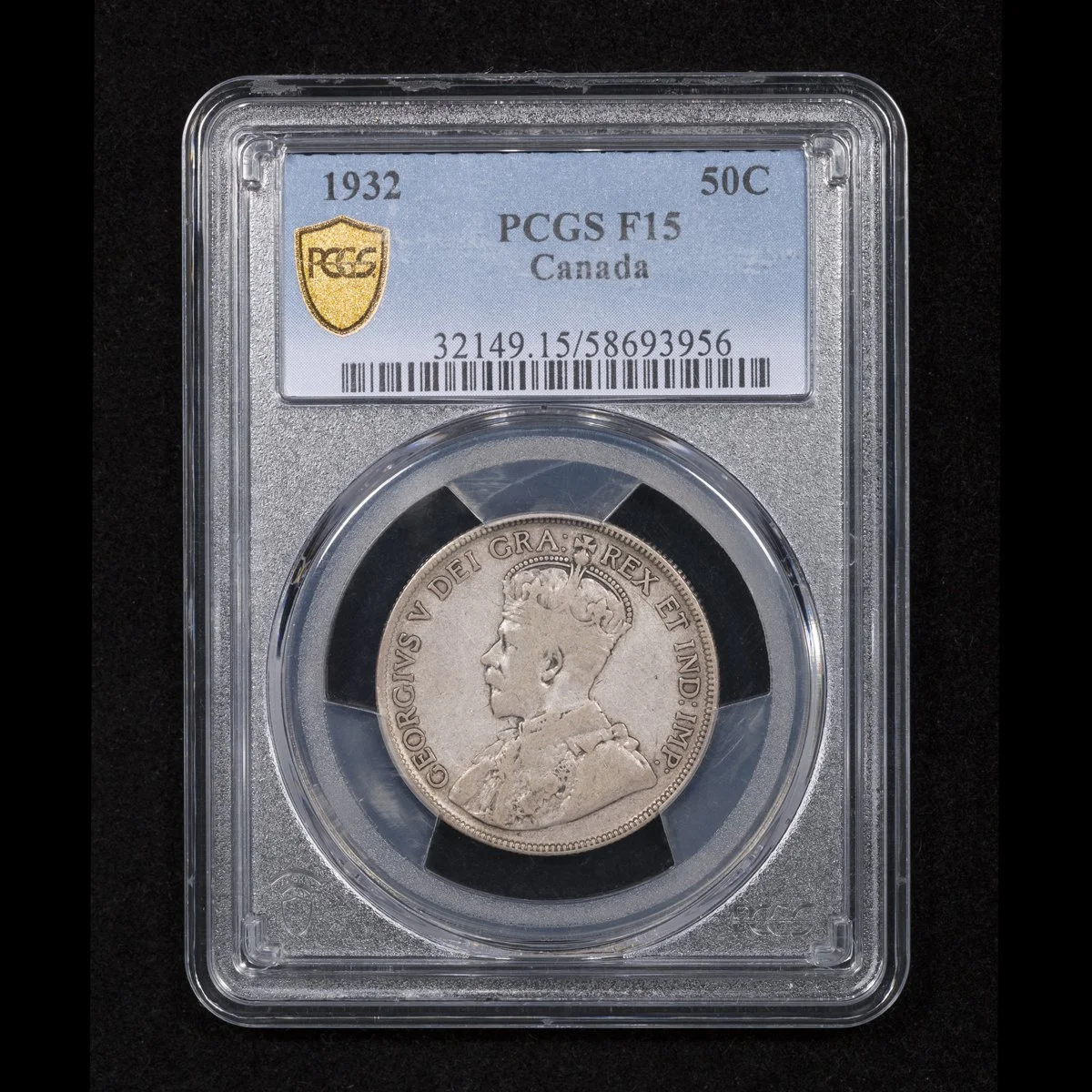
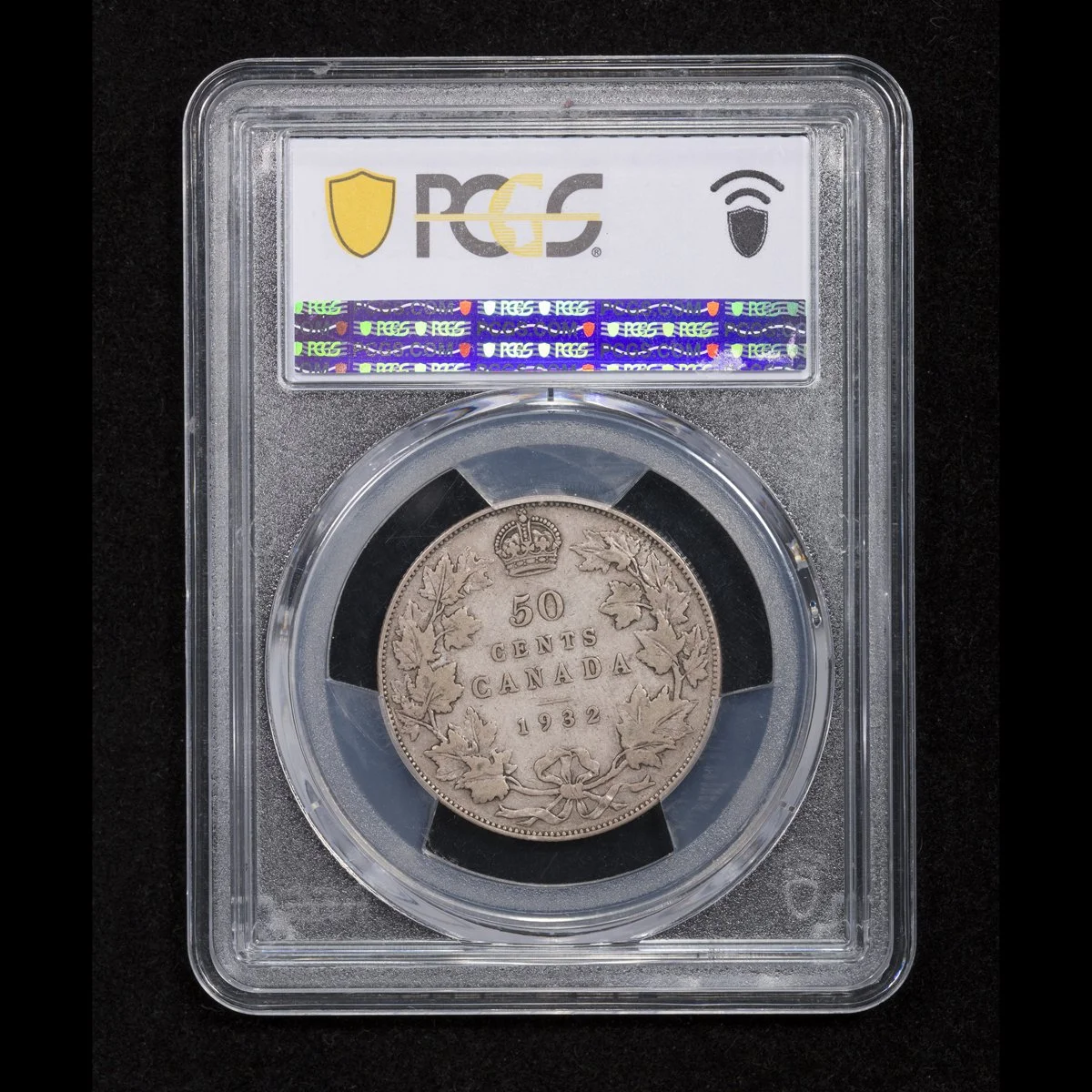
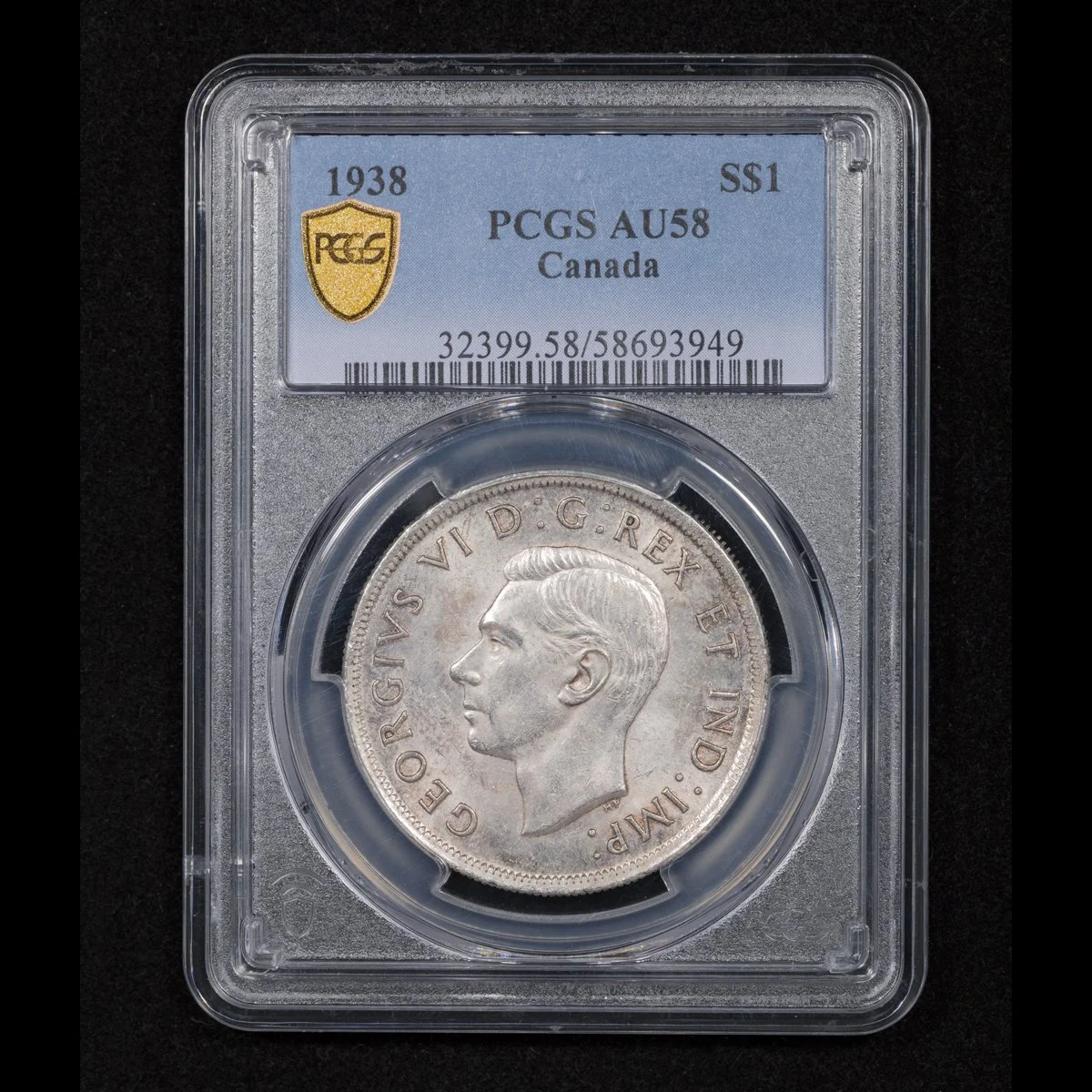
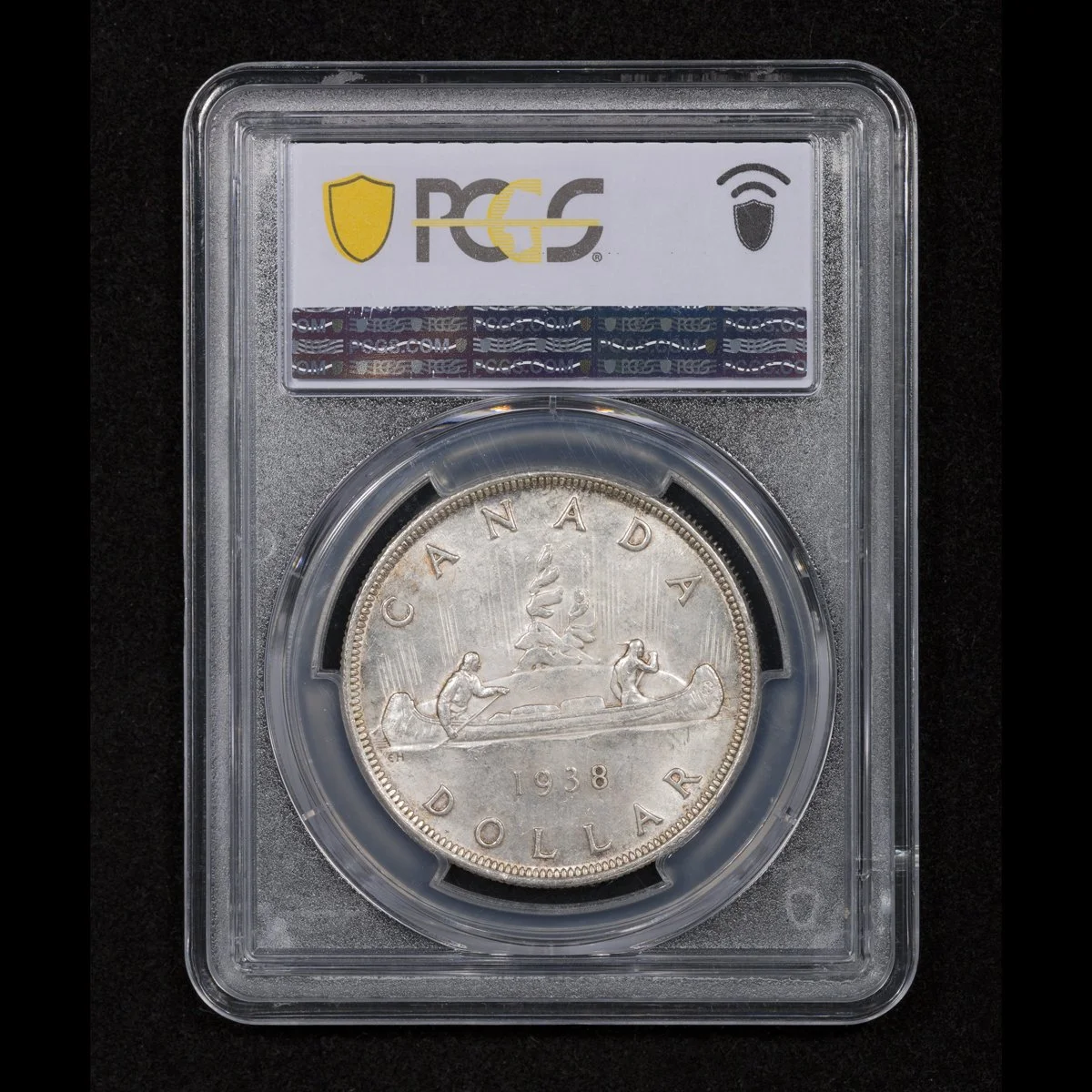
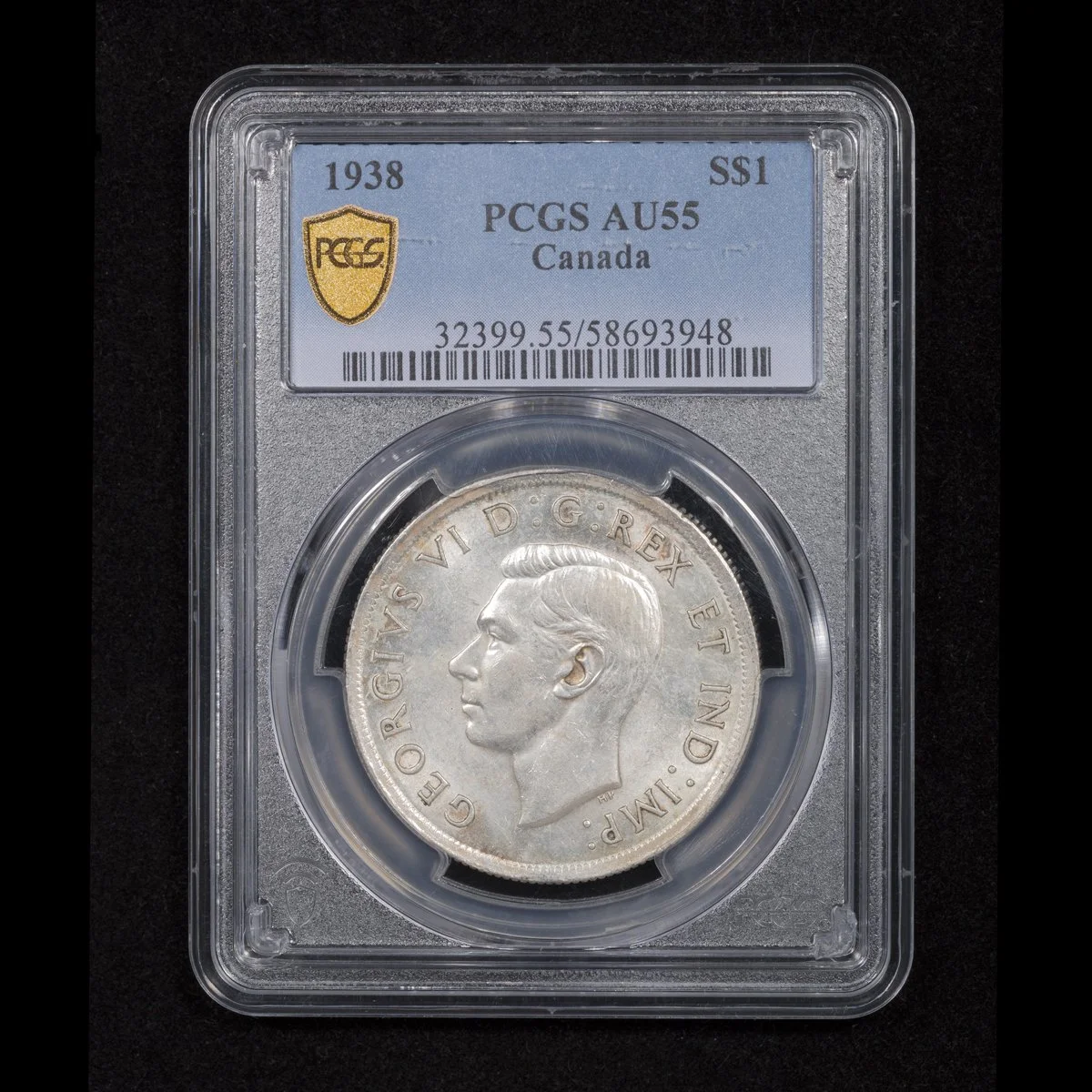
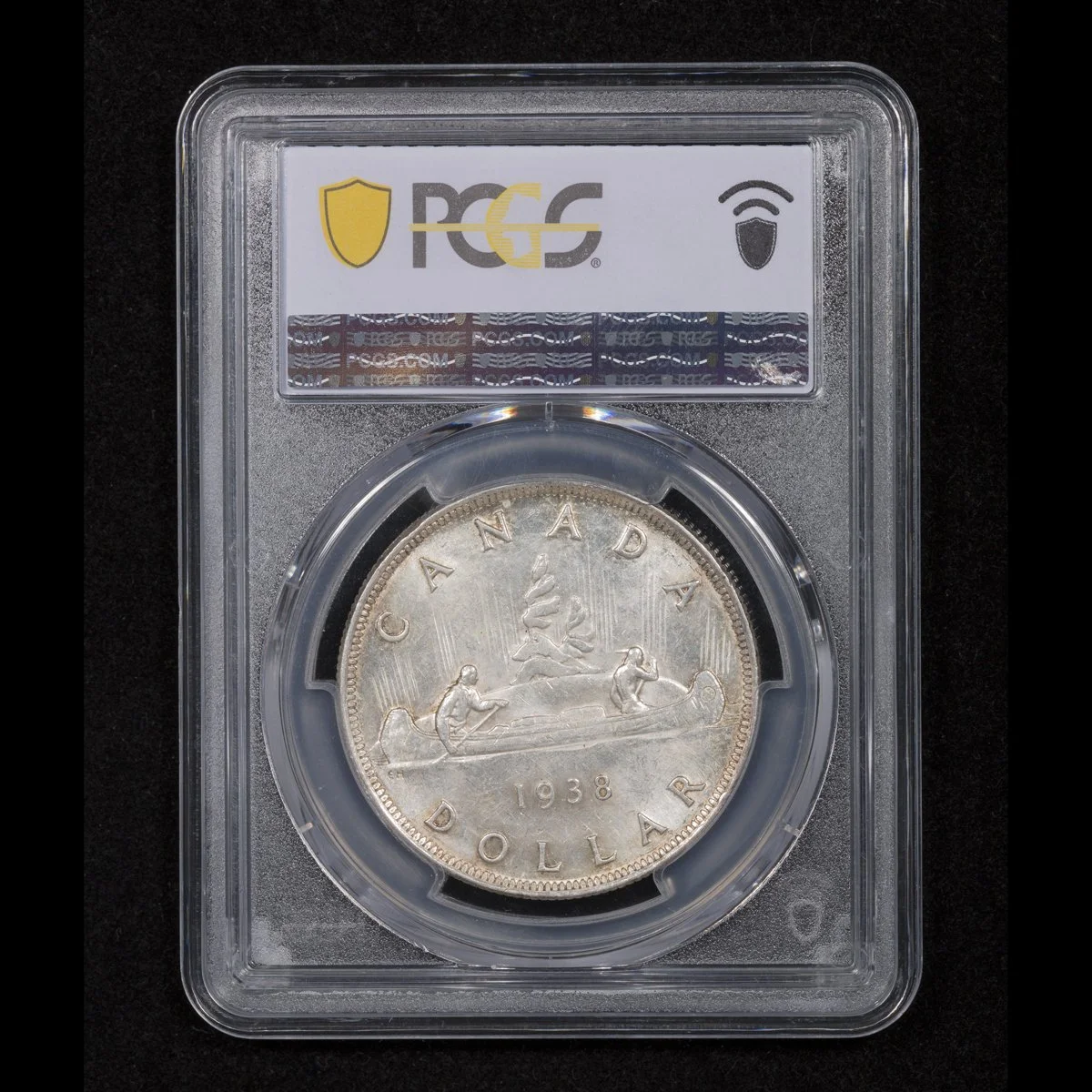
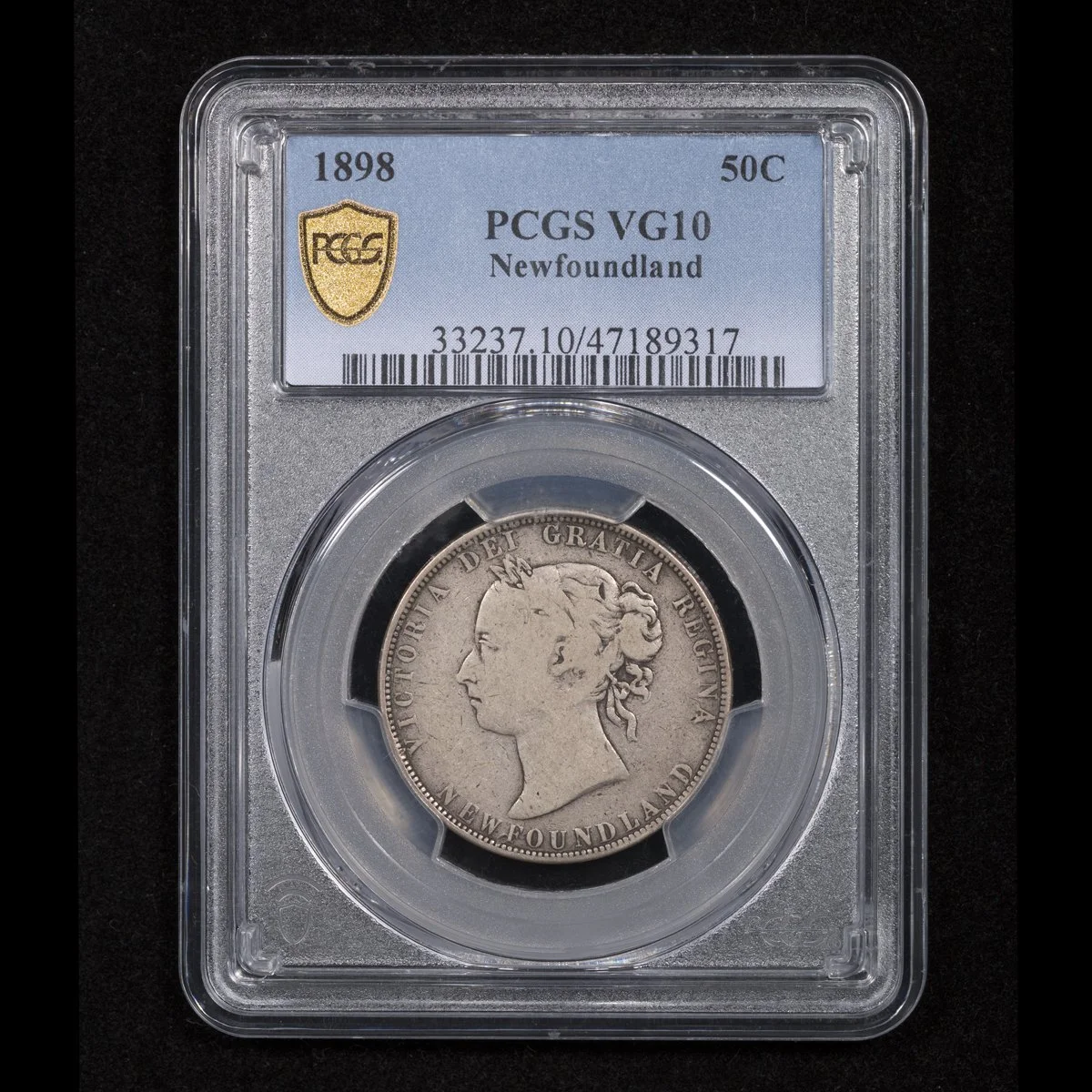
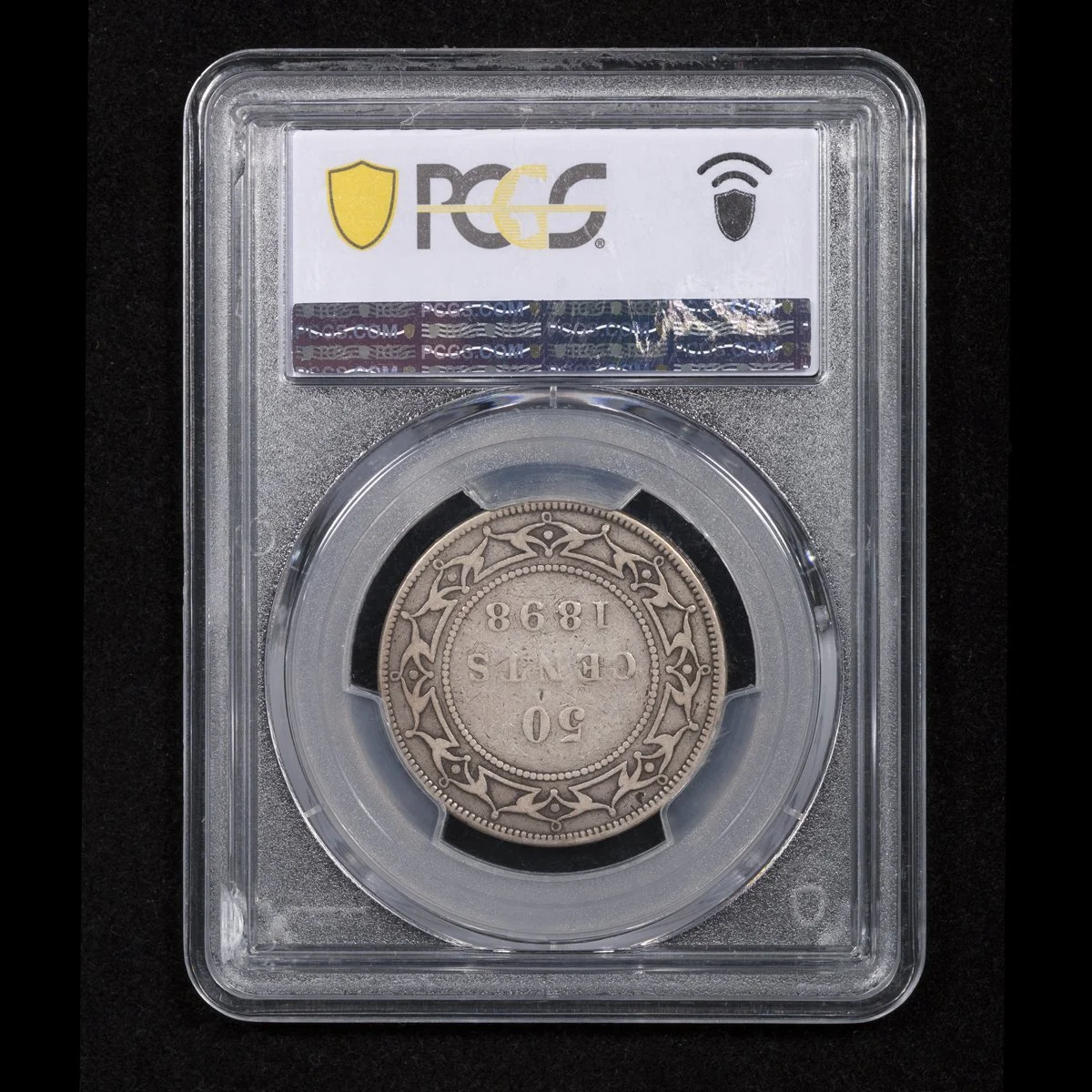
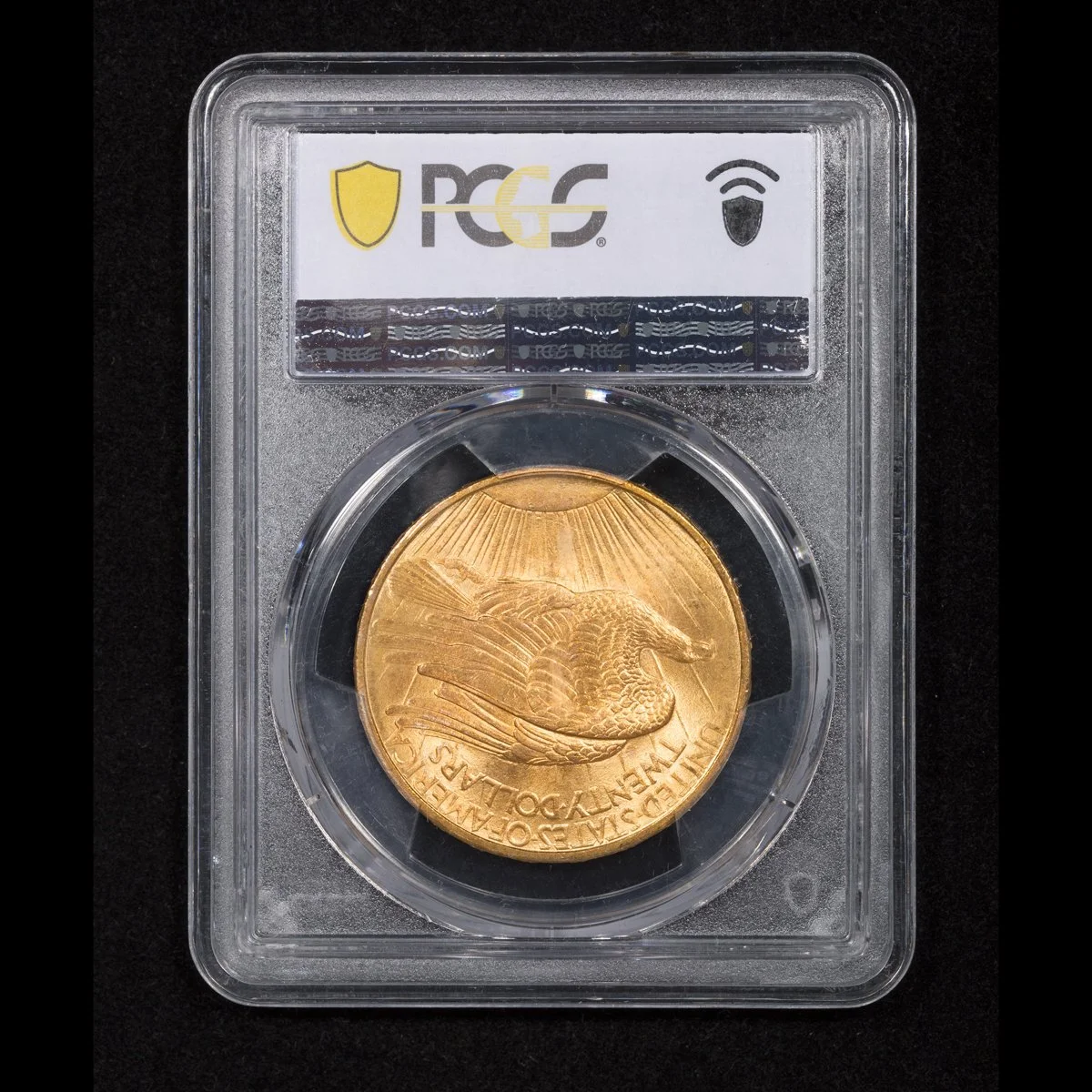
Over the years, I’ve found that quality holder shots offer the most trustworthy representation of a certified coin in hand. Why? Aside from the technical details and overall condition a holder shot provides, the holder itself is a built-in comparative tool to judge the accuracy of the coin in the image.
First, the colour and appearance of a coin are constantly in flux. Tilt it slightly, and its lustre shifts; move it beneath the light, and tones of silver, gold, or iridescence emerge and disappear. This transient quality is part of a coin’s beauty—but also the reason coin photography is so challenging.
By contrast, the slab and grader labels are constant, known quantities, from the coin in the picture to the coin in your collection. Its logos, colours, and fonts are well-known in the community and remain consistent from coin to coin. They stay relatively fixed points of reference in every shot, comparable to similar certified coins.
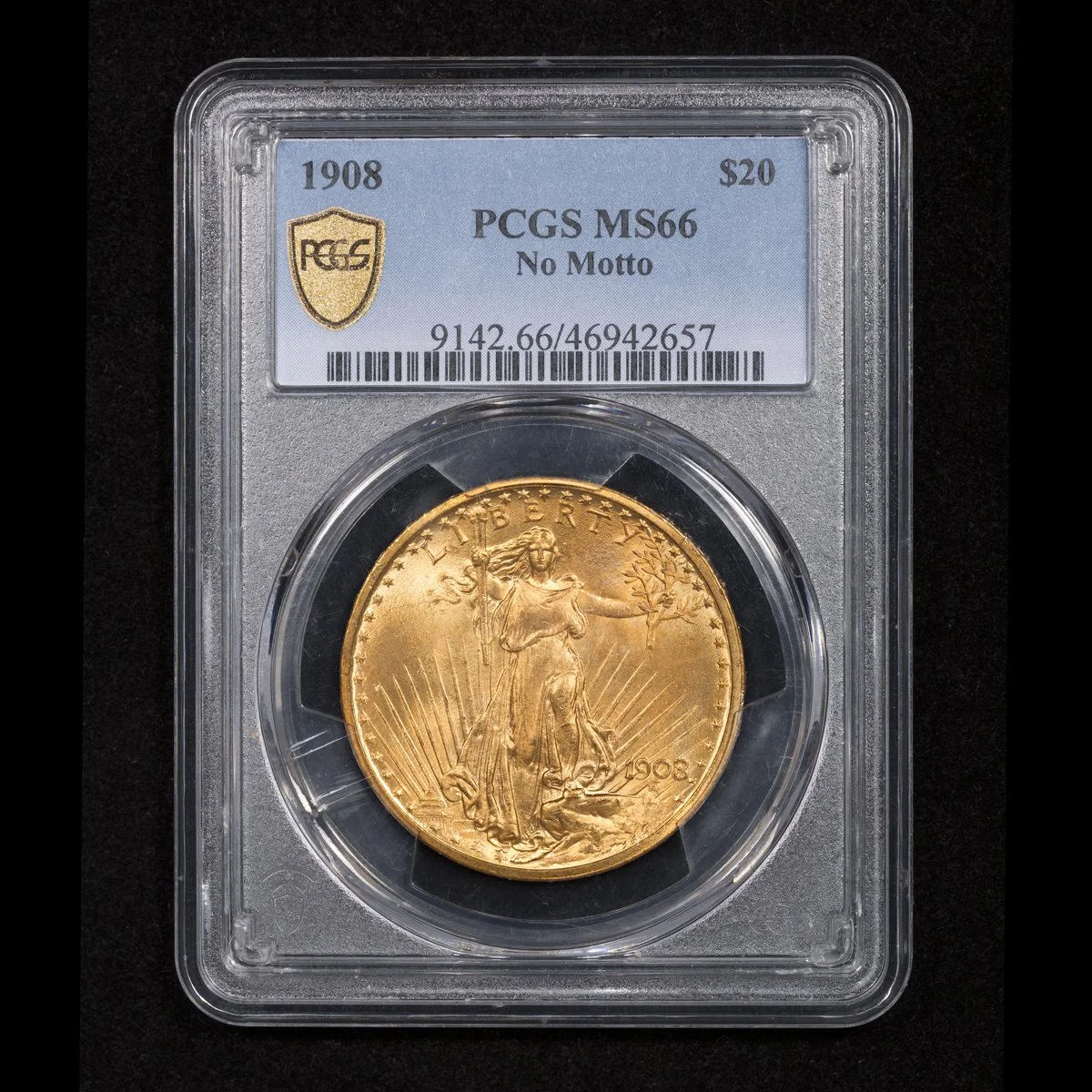
To the collector and viewer, when the label colour appears true, the plastic looks natural, and the text is crisp, they’ve subconsciously established an accurate foundation for the image. Where an isolated coin image leaves room for doubt, a solid holder shot reassures buyers that what they see is what they’ll actually hold in their hand. When the close-up images align with this, confidence in the coin’s appearance increases significantly. Of course, any image can be manipulated—and I don’t mean to drift into how photographs might be falsified. The point is simpler: a holder shot offers more visual information for comparison and confirmation.
For the coin photographer, the holder doesn’t limit creativity—it enables it. Because the label and holder provide reliable anchors, photographers still have room to work with the light and bring out the most favourable qualities of the coin, without compromising accuracy. In short: light the holder correctly, and the coin will follow suit. Against that standard, the coin’s shifting character can be explored with confidence.
Now, I’m not suggesting that holder shots are the pinnacle of coin photography—not even remotely. Slabs are, by their very nature, obstacles to creating the most beautiful and detailed images of a coin. What I am saying is that, when appropriately photographed, I believe they provide the most truthful and easily confirmable representation of how a certified coin appears in hand.
The next time you come across an image of a slabbed coin online, look at the holder, too. Ask yourself: Does the label appear unusually dark, overly saturated, or tinted incorrectly? Those clues matter. Any shift you see in the label almost certainly carries over to the coin itself. If the label appears washed out or blown to pure white, chances are the coin is overexposed as well and not nearly as bright in hand as the photo suggests.
Stand Alone Images
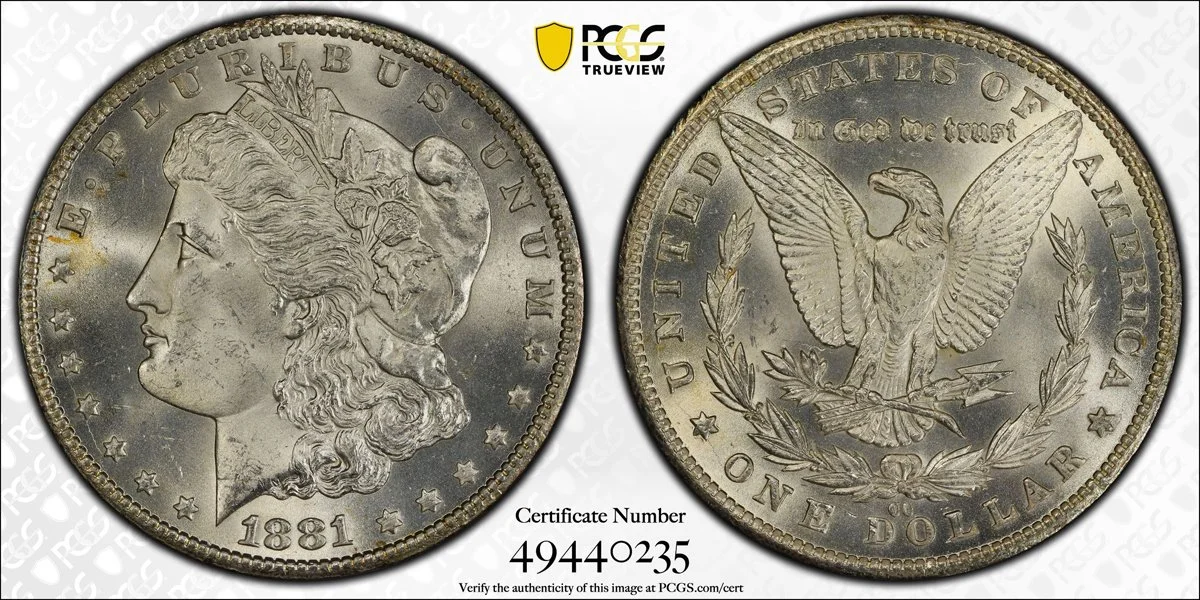
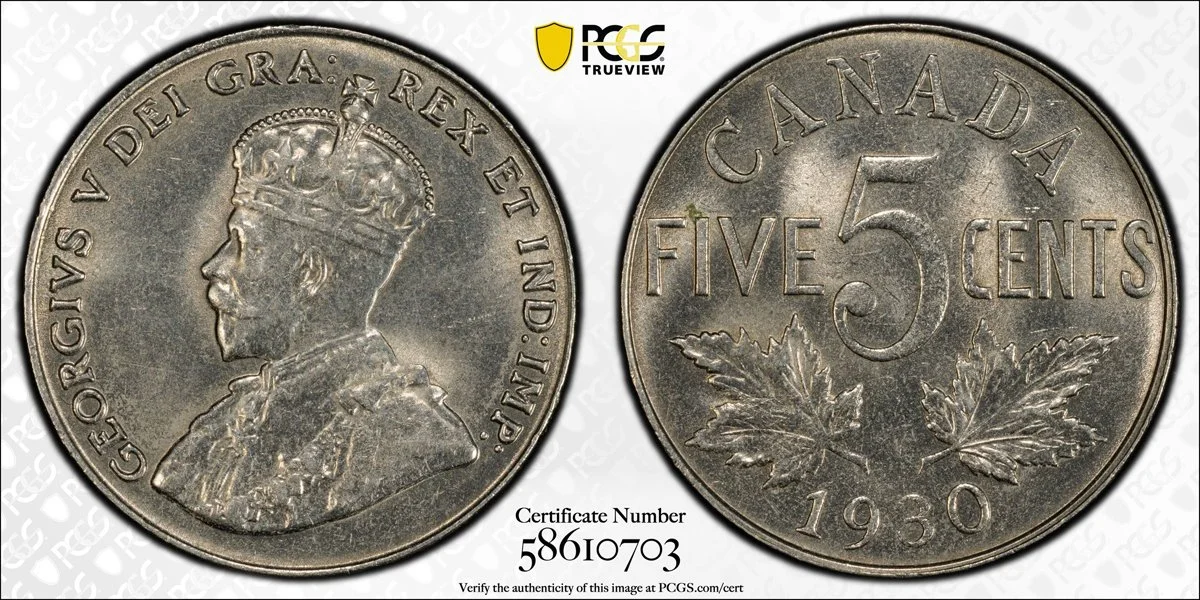
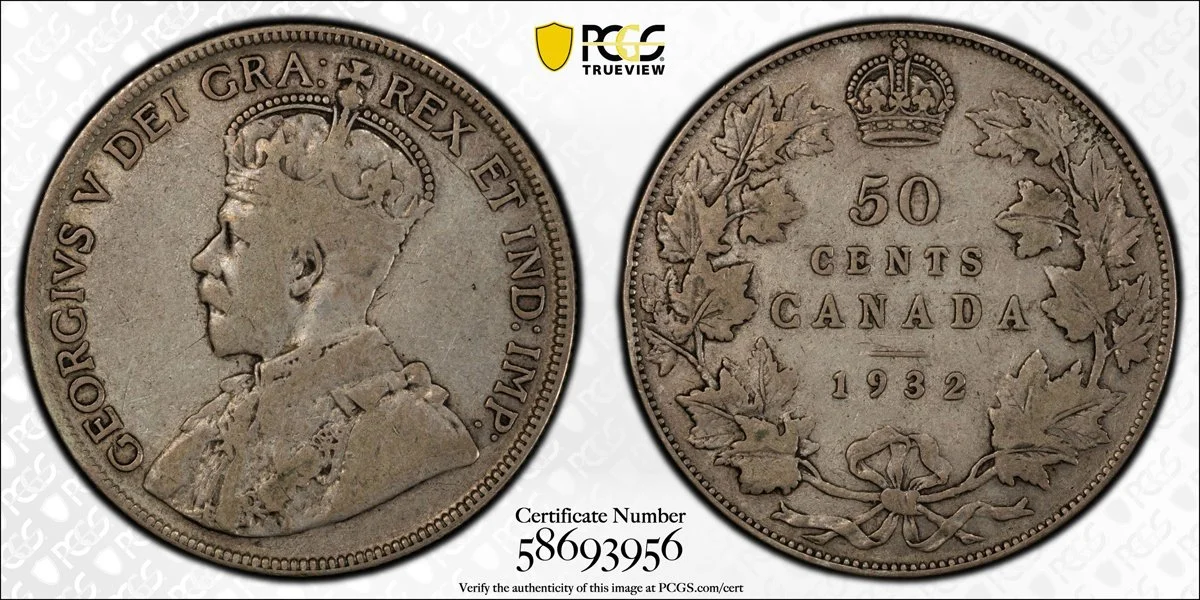
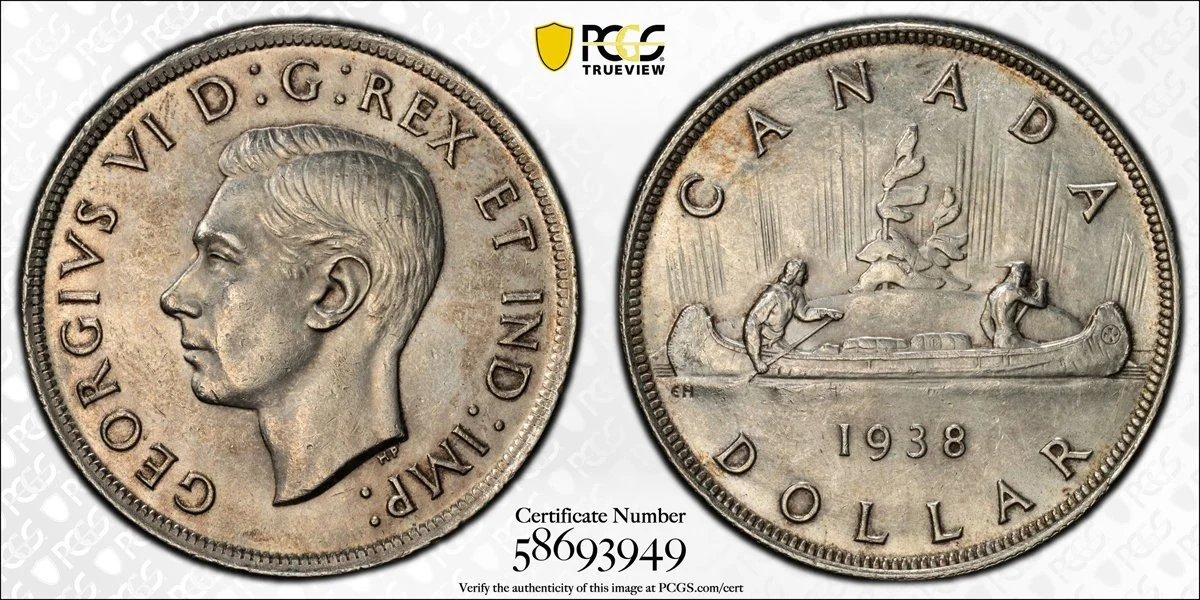
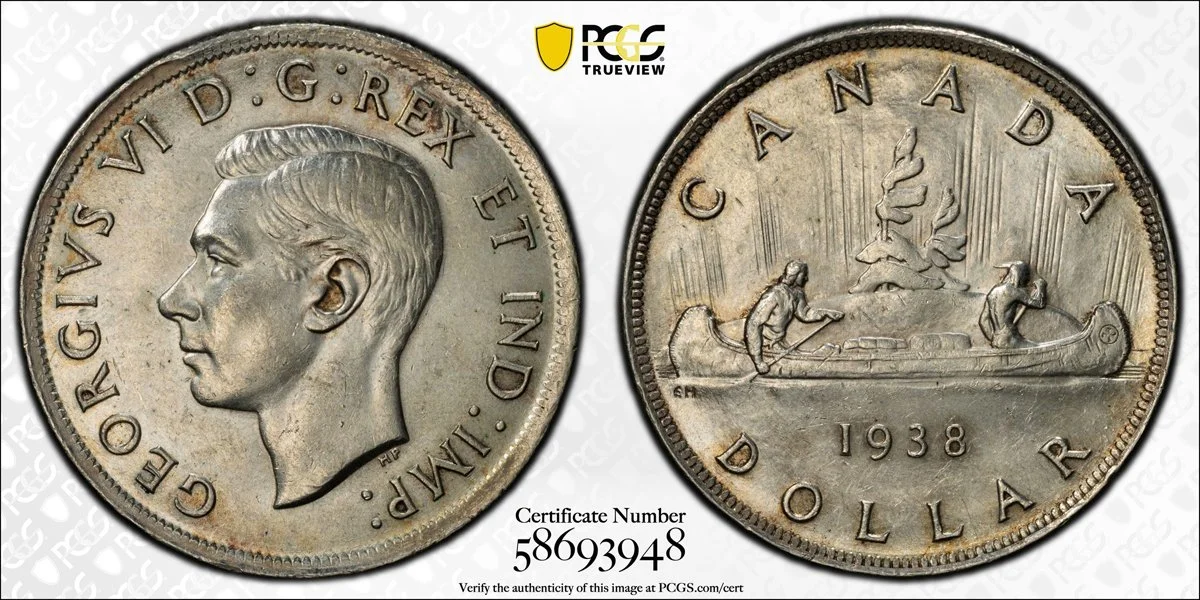
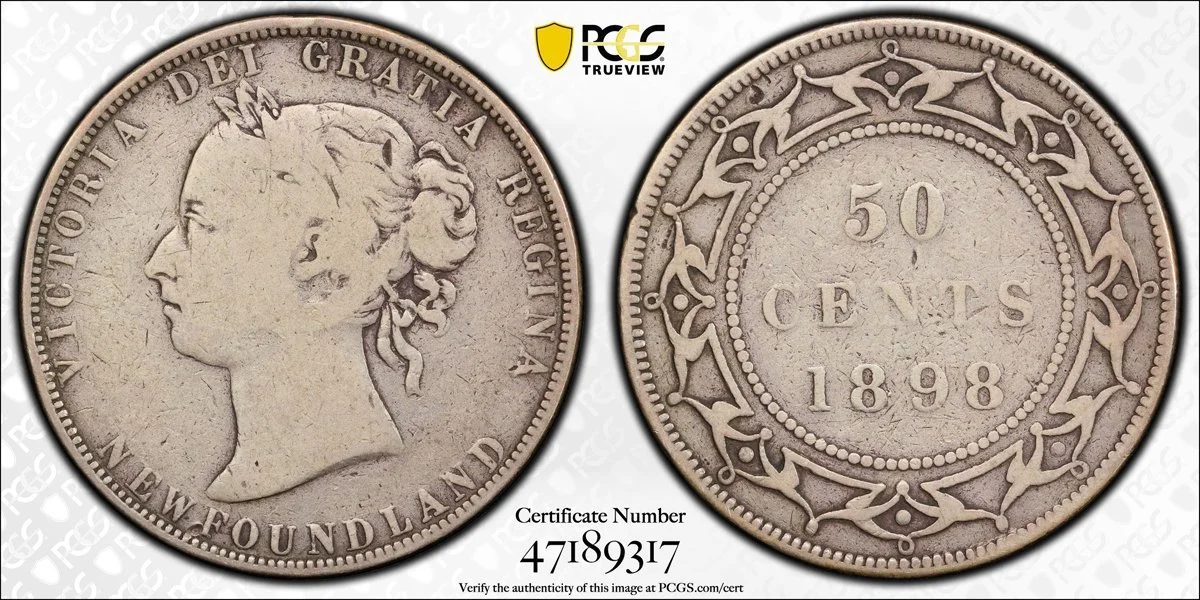
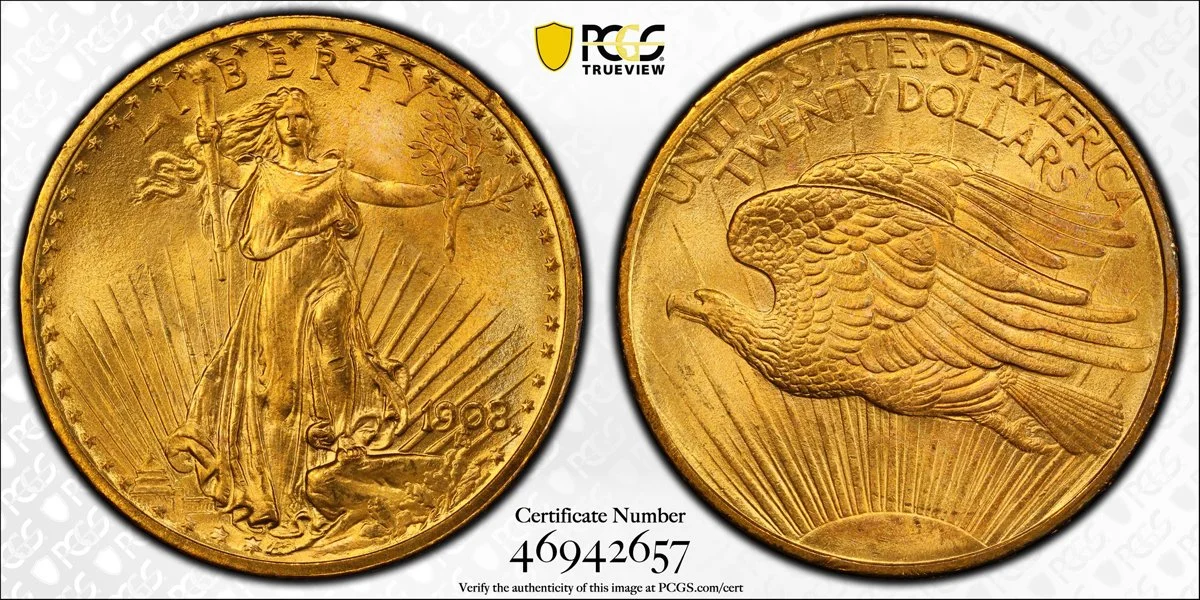
As a coin photographer, I know that bringing out the full range of colour and character in many coins often requires specialized lighting setups that aren’t possible through the plastic of a slab. For that reason, raw coins will always be preferred subjects. And that brings me back to an advantage of TrueView images: they are shot from the raw coin. Even with this advantage, as many collectors are aware, they can sometimes be overstated. This isn’t meant as a criticism of PCGS or their TrueView service, far from it. TrueView offers collectors detailed coin photography that has become a recognized standard within the hobby. It’s a valuable resource.
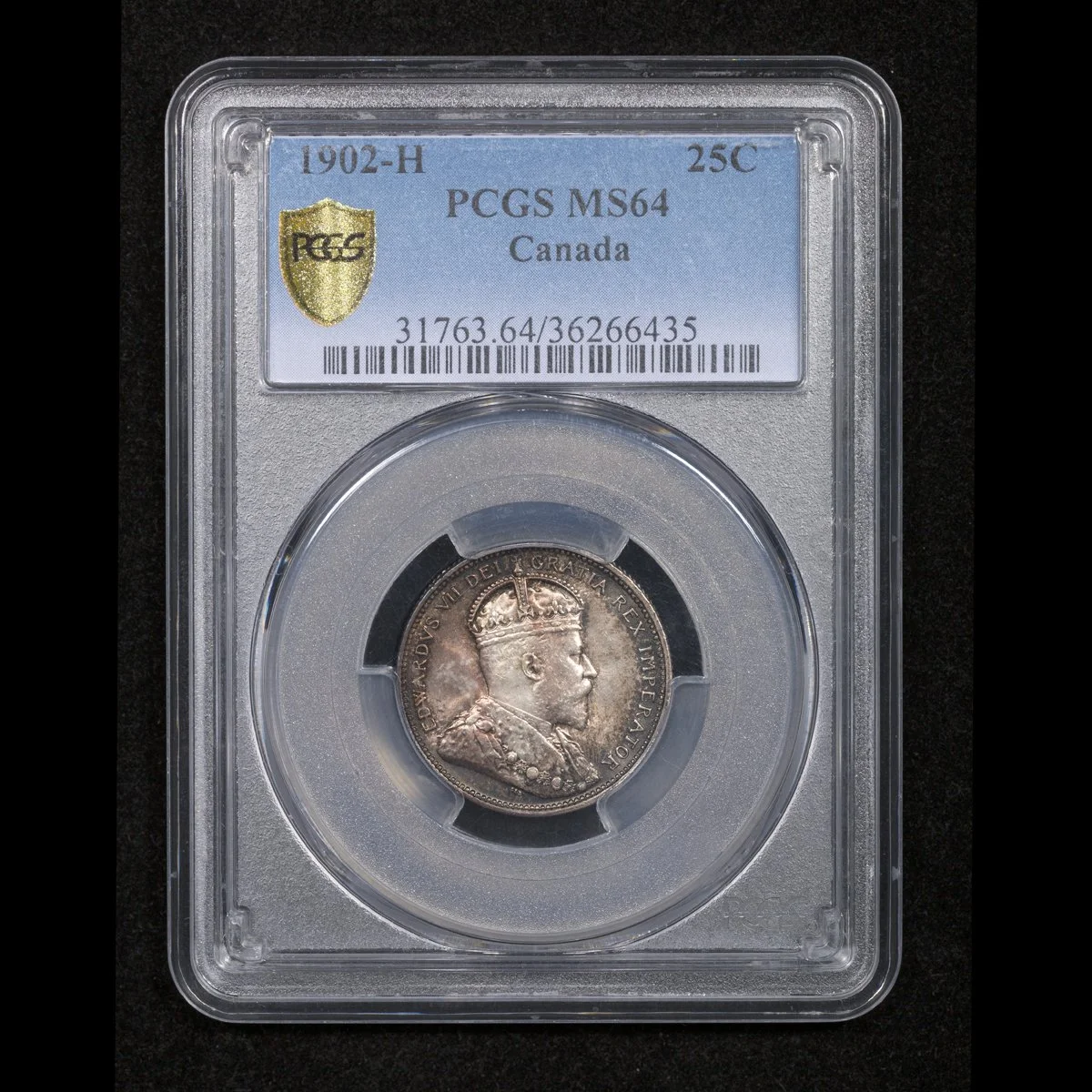
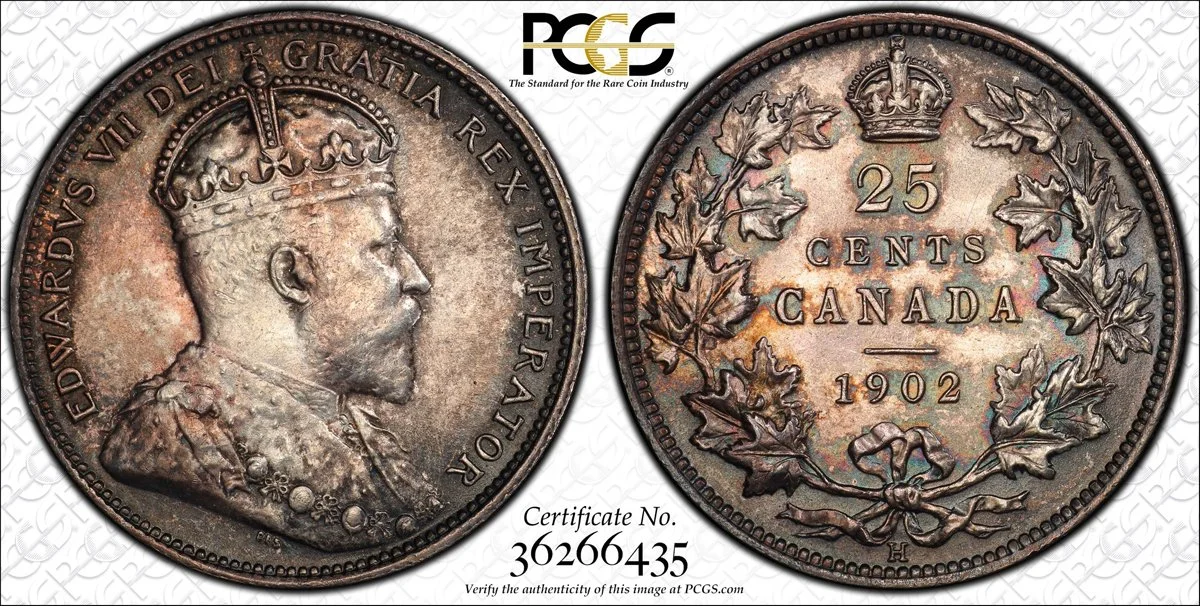
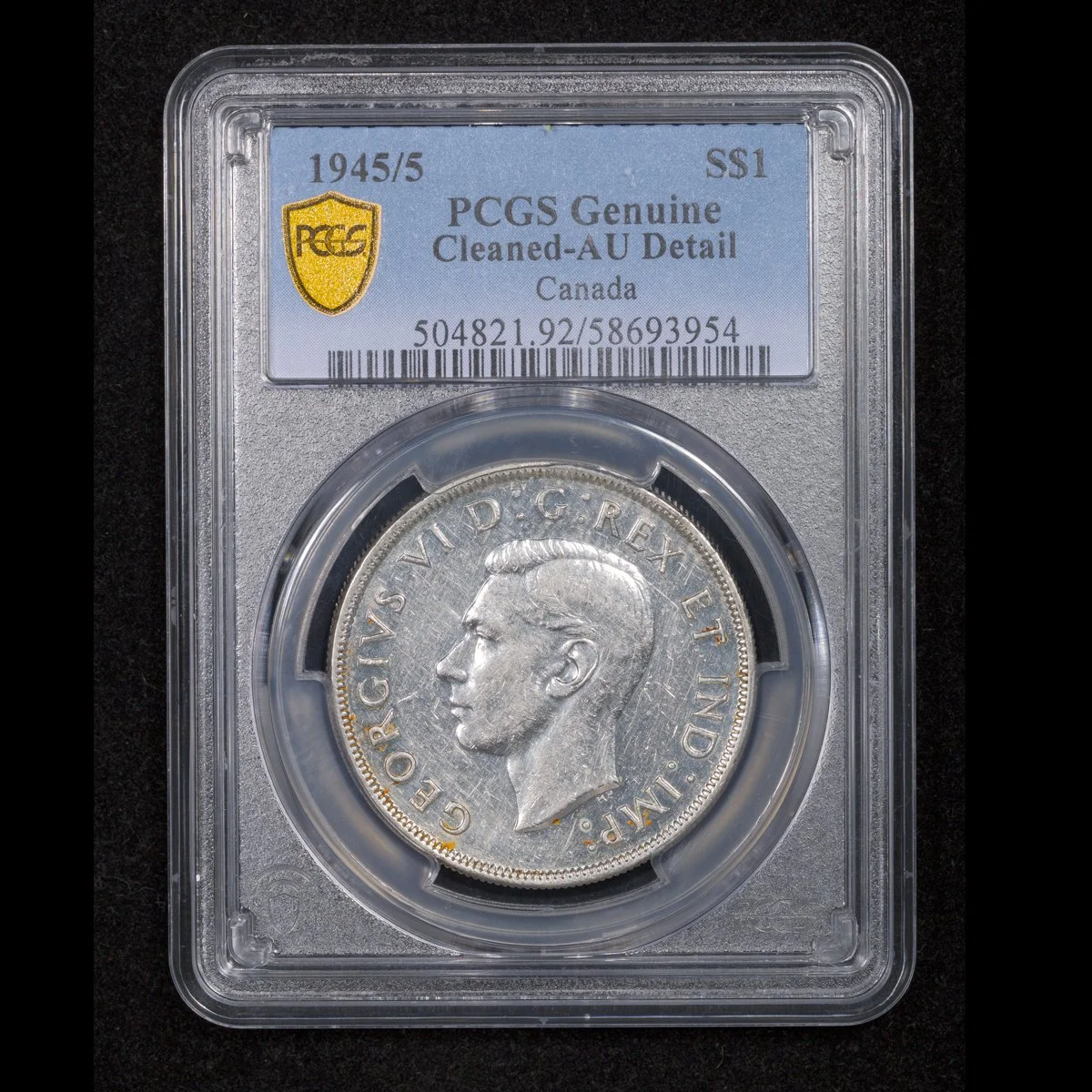
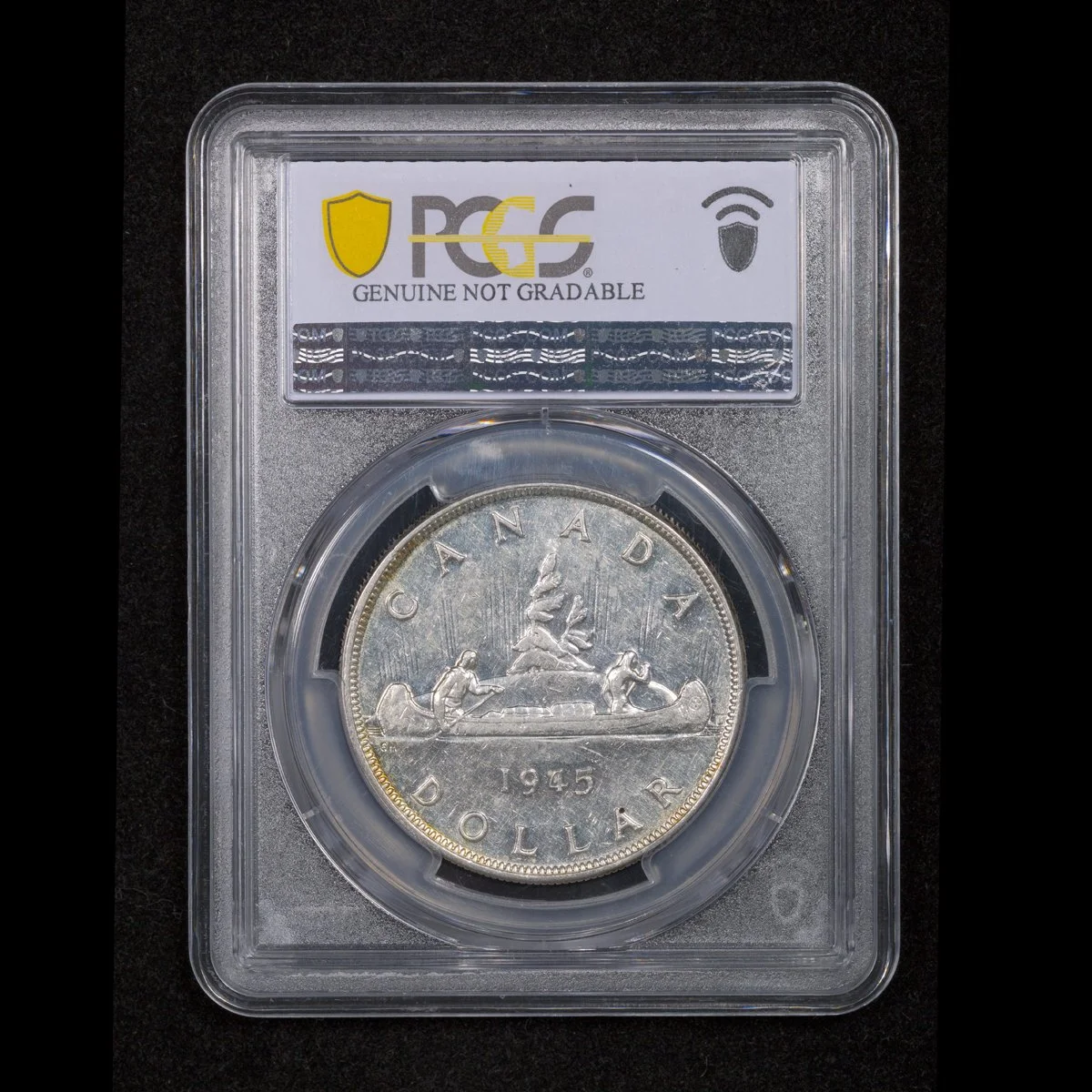
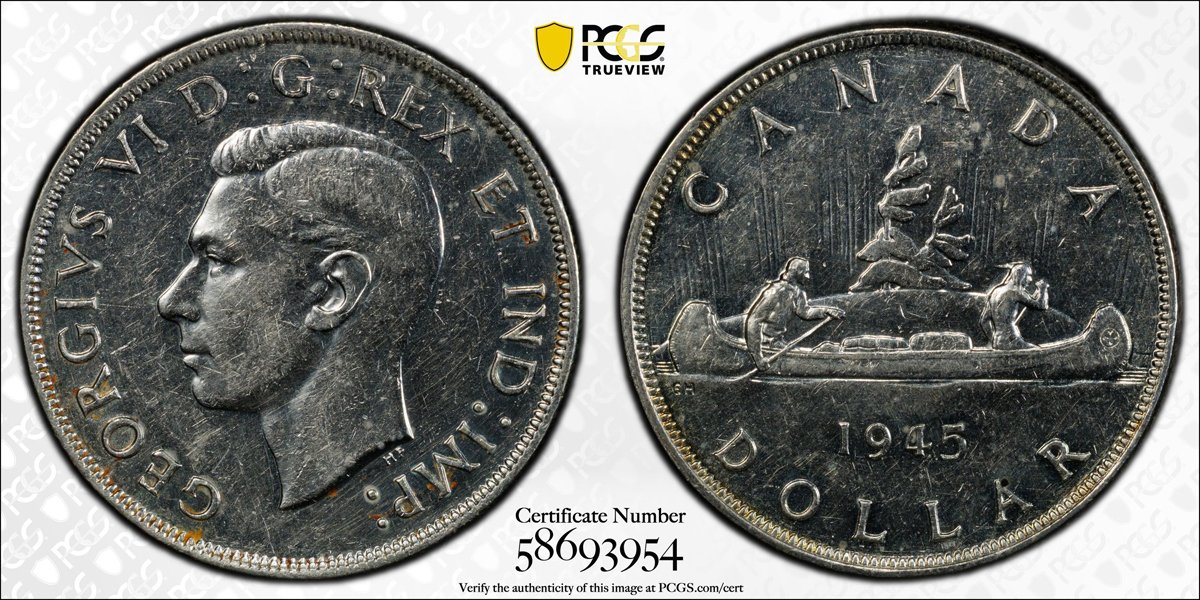
But still, I’ve found that TrueView photography and holder shots are often out of sync. At times, the coins look very similar, and at others, the difference is dramatic. That variation depends partly on the coin itself, but just as much on the photographic process used to capture it.
Looking at these examples below (and not having the coin in front of you), which ones are more likely to express the actual appearance of the coin in hand consistently? The choice is left to your eye, your experience, and your willingness to decide: which photos feel like the coin?

Final Thoughts
Collectors are often reminded: “Buy the coin, not the holder.” It’s sound advice when assessing a coin’s numismatic value. For coin collectors and those of us behind the camera, holder shots are more than just a way to present a certified coin—they’re a tool. By aligning our expectations to known points in the image, we can judge if the coin itself is represented faithfully.
Thank you for reading this blog post! I hope you found it informative and enjoyable.
If you're interested in similar topics, be sure to check out our other posts on numismatic subjects. From coin history to coin photography, we have lots to offer.
Don't forget to leave a comment below with your thoughts and feedback. We love hearing from our readers, and it helps us improve our content.
Thank you again for your support, and we hope to see you back here soon! Happy collecting!
We’re Here to Help
At Coin Photography Studio, we understand that coins aren’t just commodities—they’re connections. To history. To moments. To people. That’s why we photograph coins the way collectors see them: with care, clarity, and a touch of reverence.
If you’re considering having your coins professionally photographed, we’d be honoured to work with you.
Ready to see your coins in a new light? Explore Our Services or Contact Us to start your project.