A Coin Collector's Guide to Coin Photography Expectations
By Denis Richard, Coin Photography Studio
July 27 3, 2025
6-minute read
Professional coin photography serves an essential role in numismatics as it bridges the gap between physical artifacts and visual records that preserve, document, and share a collection’s value and character. At Coin Photography Studio, we’ve spent years behind the lens and across the table from collectors—listening, learning, and delivering photographs that do justice to the treasures in their care. Through conversations and commissions with collectors in the U.S., Canada, and the U.K., we’ve come to understand what matters most. This guide is written for you, the dedicated collector, to help you know what a top-tier coin photography service should provide—and why it matters not just for documentation or resale, but for the way you experience your collection.
What Collectors Should Expect From a Coin Photography Service
1. High-Resolution, True-to-Life Images
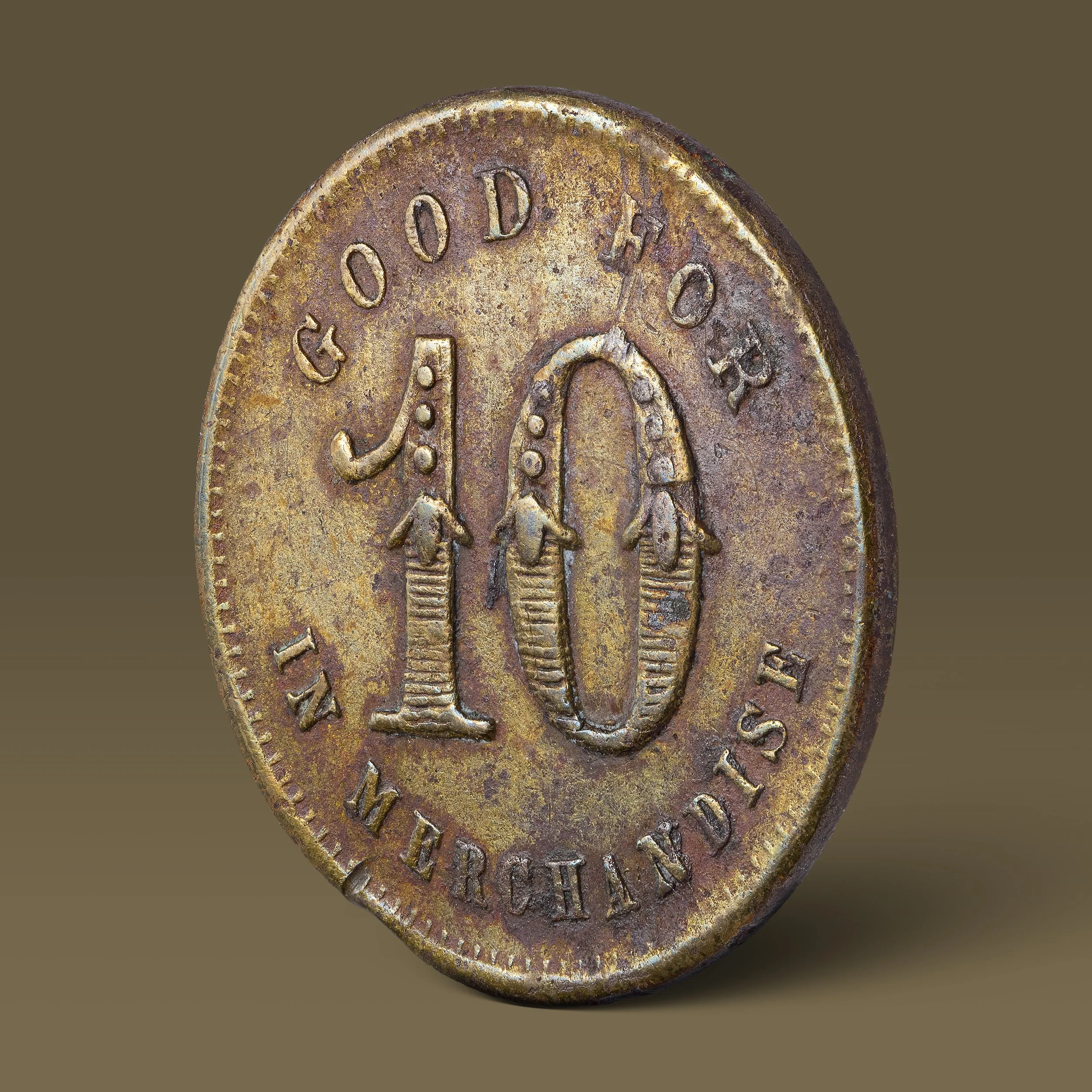
We once photographed three modest-looking tokens that were issued by the customer's great-grandfather's mercantile business in Placentia, Newfoundland, around 1910. Although they didn't have economic value, they were rare and held significant sentimental value for the family. When the high-resolution images arrived in his inbox, he told me, “The photos are amazing!!! Well done! I did not expect such amazing light, colours, and texture.”
Professional coin photography should produce ultra-sharp images (typically 3000px or higher) that allow collectors to inspect surfaces closely. The colours should reflect the coin’s actual in-hand appearance, not be enhanced to mislead or exaggerate. This clarity and colour fidelity are essential for both documentation and appreciation.
2. Images That Respect the Coin’s Condition
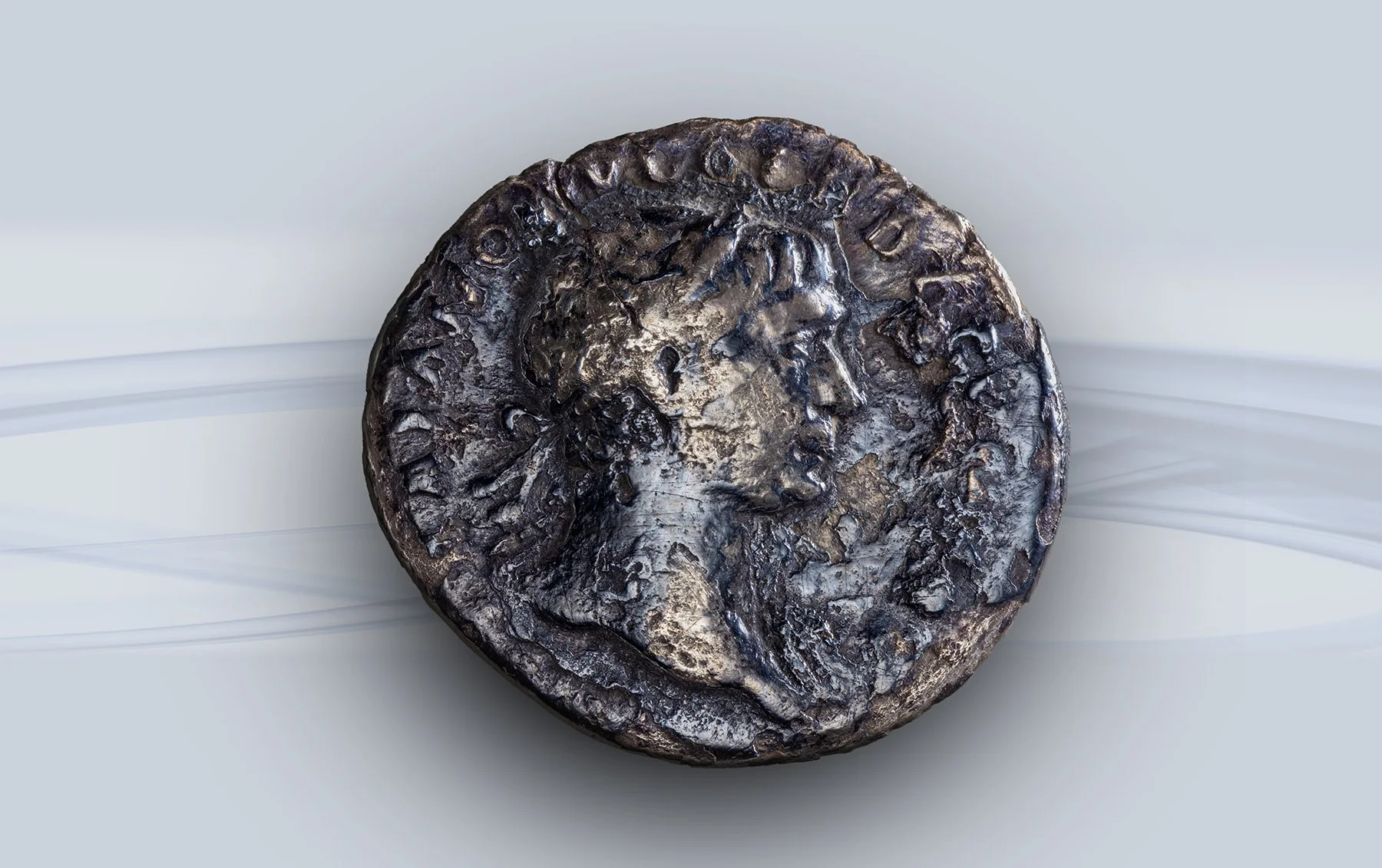
Not every coin is pristine, and that’s part of the appeal. We once photographed a heavily circulated Roman denarius—worn smooth in places, corroded in others, with a soft blue patina that spoke of centuries of handling. The collector didn’t expect much, but when he saw the photo, he was surprised. The gentle play of light across the high points and the honest rendering of every nick and abrasion turned what he thought was a “filler” coin into something worthy of admiration.
A professional should treat scratches, toning, and surface wear not as flaws to hide but as features to present thoughtfully. Lighting, focus, and post-processing should be chosen to honour the coin’s condition and story.
3. Professional Slab Photography
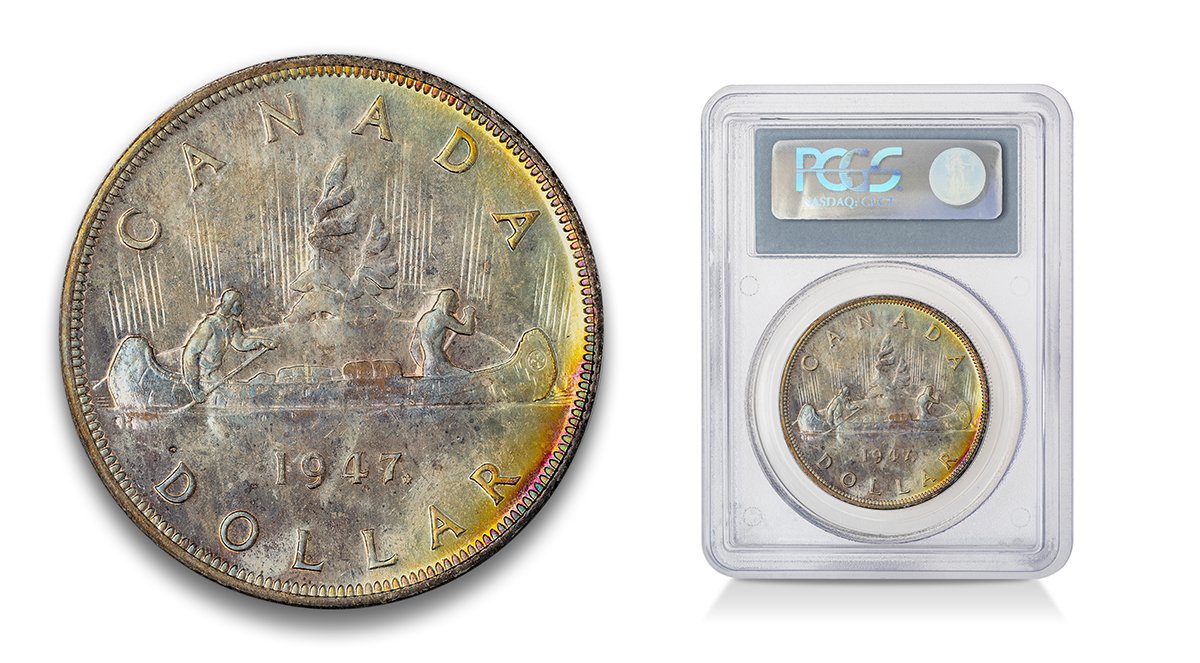
Certified coins make up a large portion of modern collections. Photographing encapsulated coins poses technical challenges: glare, reflections, and plastic haze. A few years ago, a collector sent us a prized 1947 MS64 Canadian silver dollar in a PCGS slab. The rainbow toning on the obverse was subtle, and there was a concern that it wouldn't show through the plastic. But slab photography is something we do regularly, and we’ve developed techniques to overcome those technical challenges. We walked him through our process—how we control angles to reduce reflections and bring out as much detail as possible through the encapsulation. When he reviewed the final image, he wrote: "I think you’ve captured this coin wonderfully!
A professional coin photographer should be experienced in shooting slabbed coins, utilizing tools such as precise lighting, careful angle control, and minimal yet effective post-processing. These skills should be routine in any professional studio.
4. Macro Detail and Variety Shots
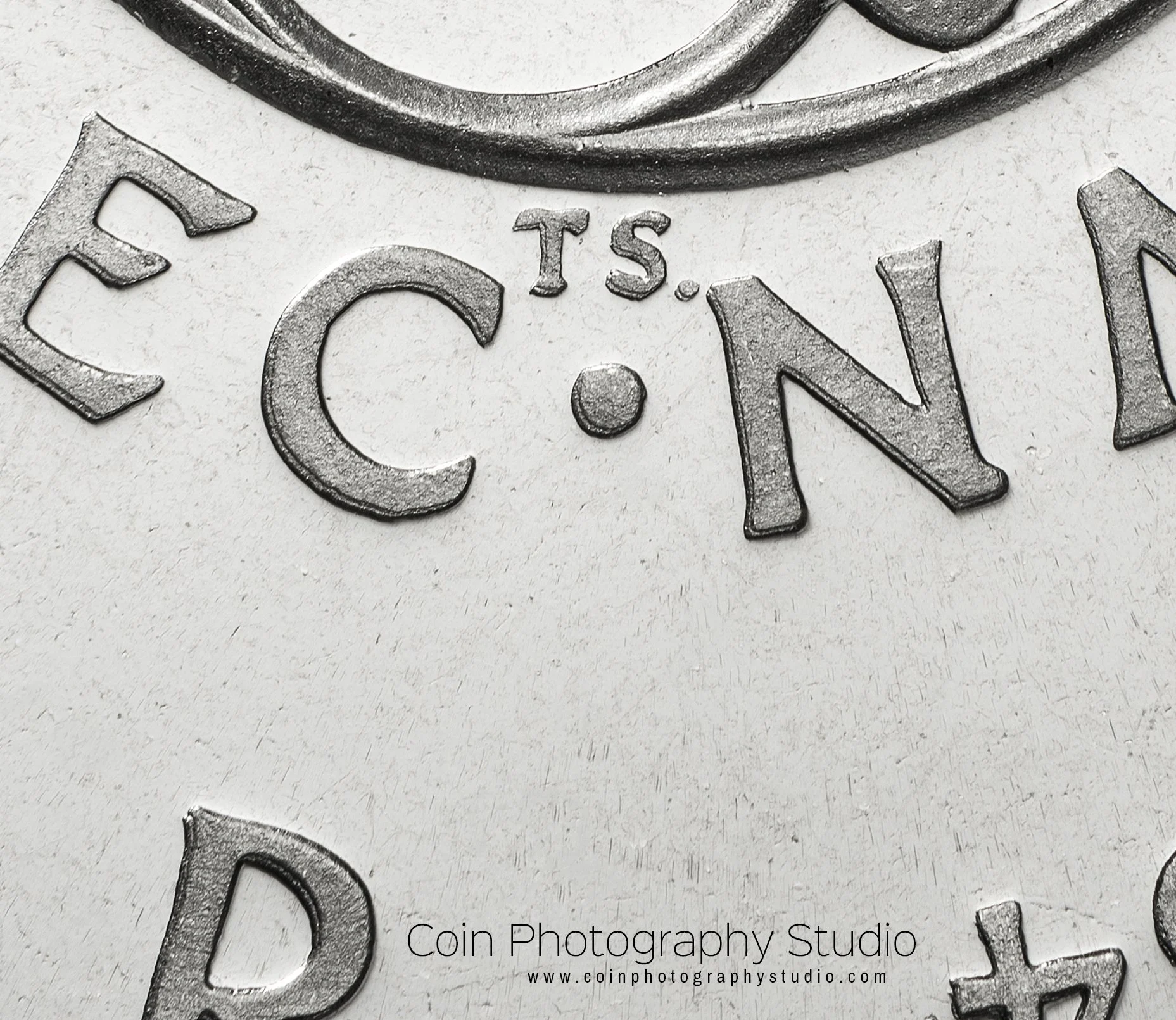
A collector sent us a mint-state no-dot variety silver dollar that was purchased as one of several lots of coins found within an abandoned Safe Deposit box in the US. The coin had what appeared to be double-strike marks on some of the letters. He was trying to determine if it was a variety or a mint error.
A professional service should offer macro photography as an option for collectors seeking to confirm varieties, show off die cracks, or document key features. These shots are especially valuable for ancient coins, error coins, or those with subtle surface diagnostics.

5. Composite and Showcase Layouts
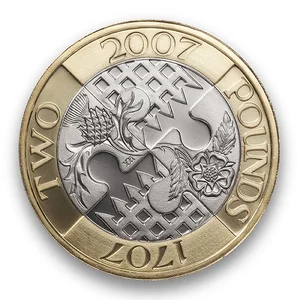
We recently collaborated with a dealer who sought to create a presentation showcasing a new product release. In addition to the obverse and reverse images, we designed a composite layout that paired the day/night theme of the coin with the environment of the coin‘s subject. Another client requested a layout that combined the full slab image with a close-up detail of the coin’s toning for use in a printed portfolio. Whether you're cataloging your collection, preparing for an exhibition, or simply creating a keepsake, these showcase formats let your coins shine in their full context. Composite layouts start at just a few dollars per coin, and we offer custom formatting for larger projects, such as albums or framed prints.
6. Satisfaction Guarantee
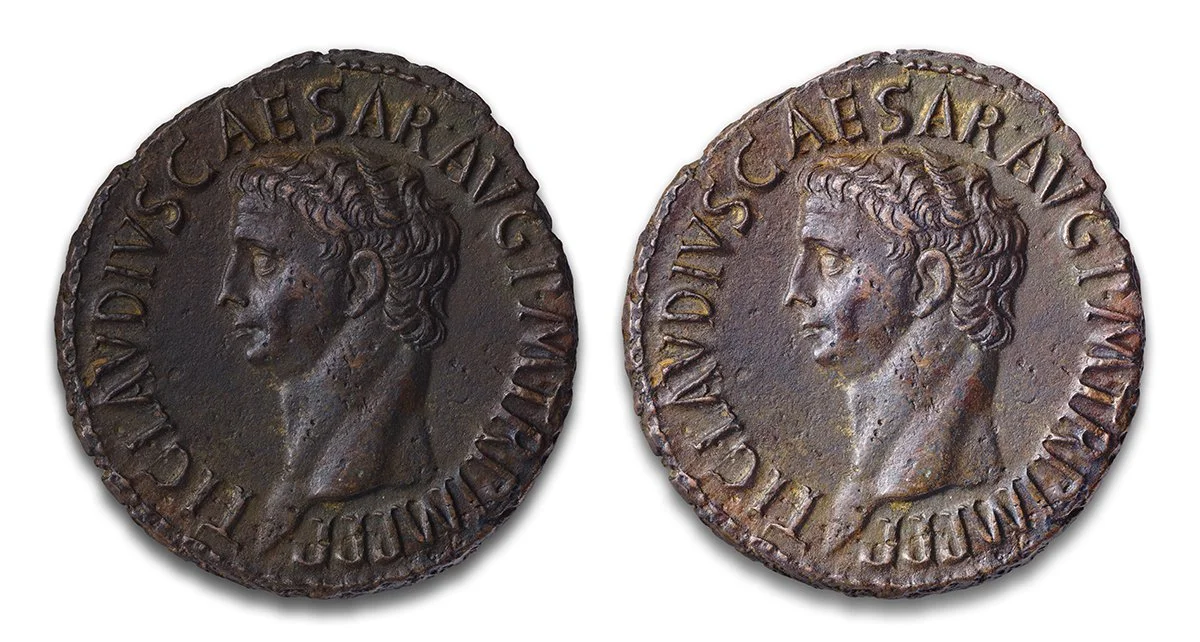
If something doesn’t feel right or a shot isn’t quite what you envisioned—we’ll work with you to make it right. One collector sent us a very dark ancient coin, and while we rendered it accurately, they thought the image should be much brighter to reveal the details lost in the darkness. We reviewed the lighting setup and adjusted for a reshoot at no extra charge. When he received the updated image, his response was simple: “That’s it. That’s exactly what I want to see.”
We treat each project as a collaboration. Your satisfaction matters because these are more than objects; they are personal investments in time, history, and passion.
7. Secure Handling and Shipping
Professional coin photography begins with careful intake and handling. Coins should be unpacked in a secure, documented environment. However, until they are ready to be photographed, they should remain stored in the packaging they were shipped in to preserve identification and minimize handling. During imaging, they should be transferred to archival trays or padded compartments. Labelling systems and individualized tracking help ensure no items are misplaced. When returning coins, a responsible studio should use rigid packaging, tamper-evident seals, and insured shipping with tracking and signature confirmation. For high-value shipments, services like Canada Post Xpresspost or FedEx with full insurance are the norm. These are not extras—they’re standards collectors should expect.
Regional Insights: What Collectors Value Most
In the U.S.:
Collectors are used to high-quality images thanks to grading services like PCGS TrueView. They expect fast turnaround, sharp images, and flexible service options. Many collectors prefer professional photos for both raw and slabbed coins, particularly for registry sets and when reselling.
In Canada:
Canadian collectors often seek domestic service to avoid customs and delays. With many Royal Canadian Mint releases featuring unique finishes, accurate colour and lighting are essential. Our Ontario-based studio offers peace of mind and tailored service for Canadian clients.
In the U.K.:
Collectors may be less focused on slabbed coins and more on ancient or historical British coinage. They often value macro detail and natural presentation. We understand the need for accurate documentation that honours a coin’s age and character—particularly for raw coins.
We’re Here to Help
At Coin Photography Studio, we understand that coins aren’t just commodities—they’re connections. To history. To moments. To people. That’s why we photograph coins the way collectors see them: with care, clarity, and a touch of reverence.
If you’re considering having your coins professionally photographed, we’d be honoured to work with you.
Ready to see your coins in a new light? Explore Our Services or Contact Us to start your project.